

A Guide to Flooring for Landlords in Peterborough: Durable, Cost-Effective Choices
Flooring tips for landlords in Peterborough. Find durable, low-maintenance flooring options that stand up to tenant wear and still look great.
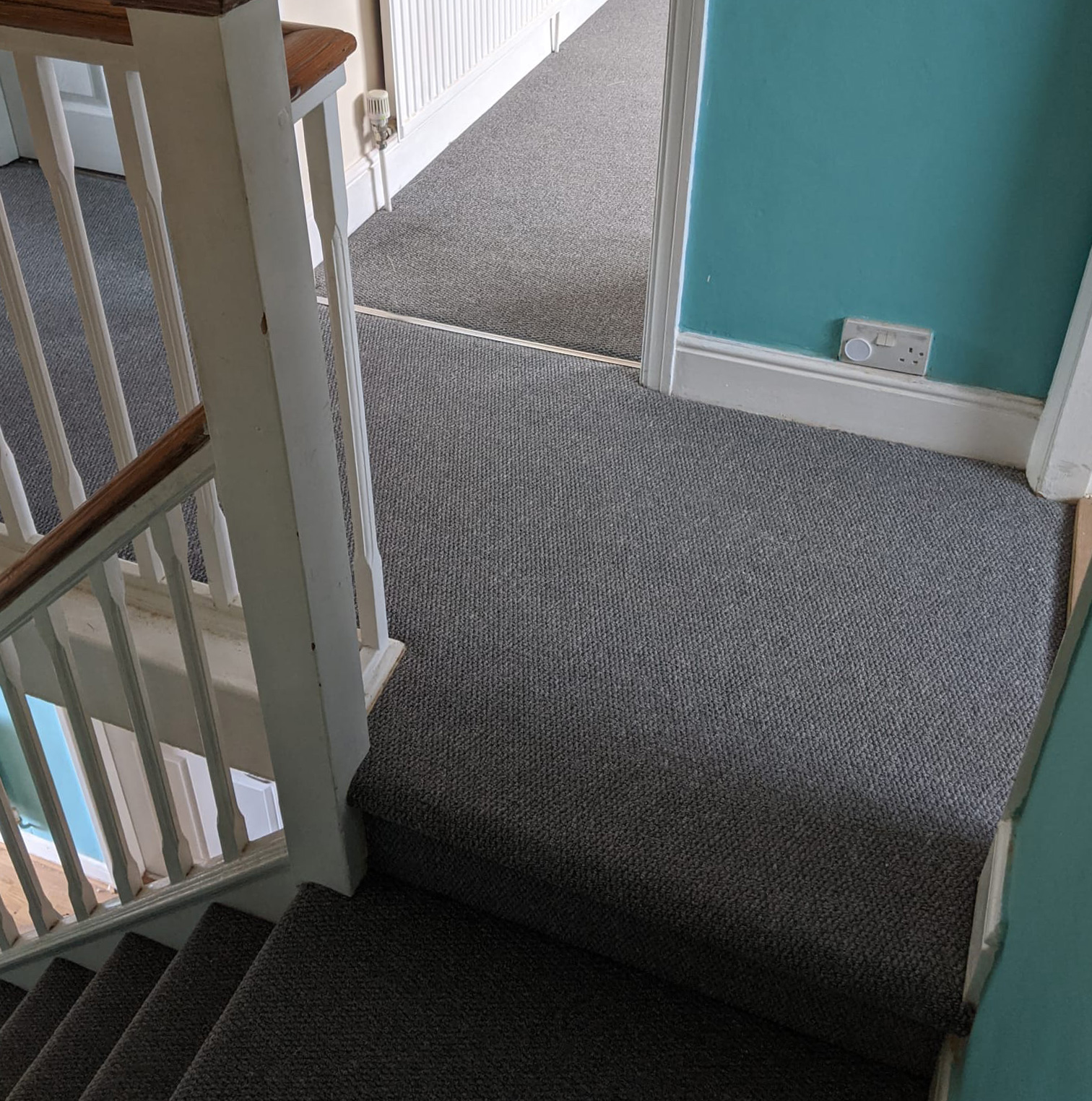
Key takeaways
The short version, checked by our fitting team.
Key Considerations for Rental Flooring
Carpet - Cozy Comfort with Some Trade-offs
Laminate Flooring - Budget-Friendly and Stylish, but Mind the Water
Luxury Vinyl (LVT/PVC Vinyl) - The All-Rounder Champion
A Guide to Flooring for Landlords in Peterborough: Durable, Cost-Effective Choices
Being a landlord in Peterborough comes with a long to-do list – and choosing the right flooring for your rental property is a decision that can significantly impact your bottom line. The flooring in a rental needs to appeal to tenants, stand up to potentially heavy wear and tear, and not cost a fortune to replace every few years. It’s a tricky balance between durability, cost-effectiveness, and style. In this guide, we’ll explore various flooring options (from carpets to hard floors) and weigh their pros and cons for rental homes. Whether you’re renting out a city-centre flat or a family house in Yaxley, making informed flooring choices will help protect your investment and keep your tenants happy.
In Peterborough’s rental market, landlords often grapple with questions like: “Will this carpet survive the next tenants?”, “Should I invest in more expensive flooring that lasts longer?”, and “What floors will attract reliable tenants without breaking my budget?” Below, we provide a room-by-room and material-by-material breakdown of flooring options that strike a good balance for rental properties. Importantly, we’ll also sprinkle in some local insight – because what works for a London penthouse might not be ideal for a Fenland semi-detached. Let’s jump in!
Key Considerations for Rental Flooring
Before diving into specific flooring types, it’s worth highlighting the main factors a landlord should consider:
- Durability & Longevity: Can it withstand heavy foot traffic, moving furniture, pet claws, and other wear from tenants? A durable floor will resist scratches, dents, and wear, reducing replacement frequency.
- Maintenance: Does it clean easily? Tenants might not maintain floors as meticulously as an owner-occupier would. Low-maintenance floors save time and money on end-of-tenancy cleaning.
- Water Resistance: Important for kitchens, bathrooms, and entryways. A waterproof or water-resistant floor can prevent costly subfloor damage from spills and leaks.
- Lifecycle Cost (ROI): Consider the cost versus lifespan. Sometimes investing a bit more upfront in a higher-quality floor saves money long-term because you won’t have to replace it as often.
- Tenant Appeal: Flooring contributes to the overall look of the property. Modern, clean-looking floors (like wood-effect or neutral carpets) can attract higher-paying or more responsible tenants. Neutral colours and styles tend to have broad appeal.
- Noise and Insulation: Hard floors can be noisy (footsteps, moving chairs), especially in flats or upstairs rooms. Carpets and certain underlays can help absorb sound. Also, carpet adds thermal insulation which can be a selling point in bedroom areas during cold Peterborough winters.
Keep these factors in mind as we explore each flooring type. Now, let’s look at the pros, cons, and best uses of each option.
Carpet – Cozy Comfort with Some Trade-offs
Carpet is traditional in UK homes and many rental properties still feature carpet in living areas and bedrooms. It’s relatively affordable to install, adds instant comfort and warmth, and tenants often appreciate the cosy feel – especially in bedrooms. In Peterborough’s climate, carpeted floors can make a house feel warmer in winter, which is a plus for tenant comfort.
However, carpets are not the most durable option for rentals. They can stain, wear out, or retain odours if tenants aren’t careful. In a worst-case scenario, you might need to replace a carpet after a single particularly messy tenancy. To mitigate this, if you choose carpet:
- Opt for mid-range or higher quality stain-resistant carpet. Materials like polypropylene are very stain-resistant (some can even handle a bleach cleaning) and are a smart choice for rentals.
- Darker or heathered colours can be forgiving of spills or dirt. A grey or brown flecked carpet hides minor stains far better than plain cream.
- Focus on areas: many landlords put carpet only in bedrooms and perhaps living rooms, while using hard flooring elsewhere. Bedrooms are lower traffic (shoes often aren’t worn there), so carpets in bedrooms may last longer and tenants love the comfort underfoot in those private spaces.
- Consider carpet tiles in certain scenarios. Carpet tiles aren’t just for offices; if you have a small area prone to dirt (like an entry or a frequently used hallway) and you want the comfort of carpet, tiles let you swap out one ruined tile for a new one rather than replacing an entire carpet. They’re a bit utilitarian in look, but in a pinch they can be very practical.
Always use a good underlay and professional installation for any carpet in a rental. It makes the carpet last longer and saves you money in the long run. When a carpet is due for replacement, many landlords find it’s not too painful cost-wise if you shop around locally – Peterborough has several carpet suppliers (like us at Cambridgeshire Carpets) offering landlord deals on durable carpets.
Best for: Bedrooms in rentals, low-traffic areas, or short-term tenancy properties where cost is a bigger concern than longevity.
Caution: Avoid carpeting kitchens or bathrooms (for hygiene and moisture reasons), and think twice about high-traffic living rooms or entrances – unless you’re prepared to clean them often or replace in a few years.
Laminate Flooring – Budget-Friendly and Stylish, but Mind the Water
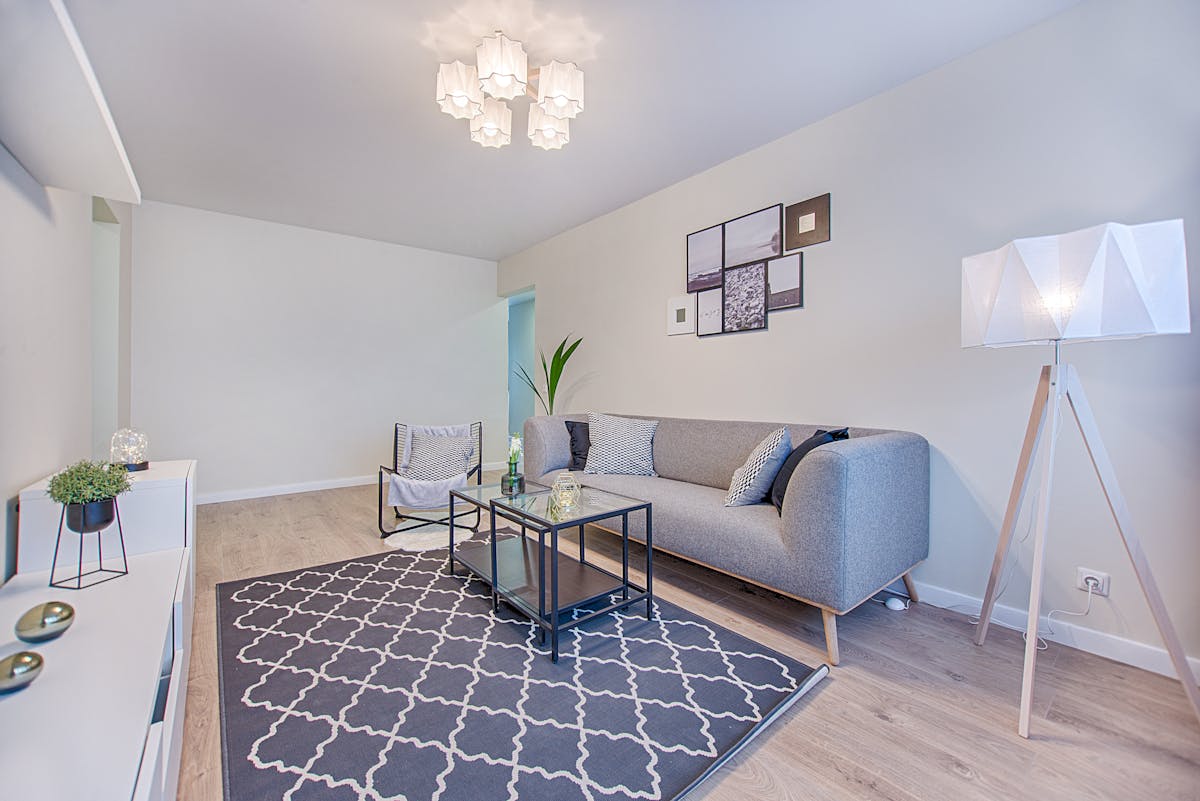
Laminate flooring has become a landlord favourite over the years. Why? It gives you the look of wood at a fraction of the price, it’s quick to install, and it’s generally more hardwearing than carpet. For a modern Peterborough rental, laminate in living rooms and hallways can create a clean, attractive aesthetic that appeals to tenants. It’s also fairly easy to clean – great for when one tenant moves out and you’re preparing for the next.
Quality laminate can handle decent foot traffic and is quite resistant to scratches and dents. Tenants moving furniture around or small children playing with toys usually won’t gouge a good laminate easily. It’s also allergen-friendly (no fibers to trap dust, which can attract tenants who have allergies and prefer no carpet).
However, laminate’s Achilles’ heel is moisture. Most laminates are not waterproof – they have a fiberboard core that will swell and warp if significant water gets to it. Some newer laminates advertise better water resistance, but as a rule:
- Keep laminate out of kitchens, bathrooms, or any area prone to spills or humidity. As one flooring expert succinctly put it, laminate isn’t a big fan of water, so skip it in those rooms.
- If you do use laminate in a kitchen (perhaps open-plan with a living area), make sure tenants know to wipe up spills quickly and consider a type specifically rated for some moisture resistance.
- Watch out for laminate in an entrance area where wet boots might sit – a durable doormat or entryway rug can help, or better, choose a different flooring for just that small area (like a bit of vinyl by the door).
Laminate floors can also be a bit loud (think of the click-clack of shoes), especially in upper-floor flats. To counter this, use a good underlay designed for sound reduction, and perhaps lay area rugs in strategic spots (or encourage tenants to, via the lease agreements). Underlay will also make the floor feel slightly warmer and softer underfoot, improving tenant satisfaction.
Best for: Living rooms, dining rooms, and bedrooms (especially in houses or ground-floor flats). Great for achieving a wood-floor look on a budget in areas without high moisture.
Caution: Not ideal for kitchens, bathrooms, or laundry areas due to water sensitivity. Also, choose a decent quality – ultra-cheap laminate can chip or have a flimsy wear layer, which ends up looking tatty faster and might need replacement sooner than a sturdier product.
Luxury Vinyl (LVT/PVC Vinyl) – The All-Rounder Champion
Vinyl flooring has seriously stepped up its game in recent years, especially Luxury Vinyl Tiles/Planks (LVT). If you haven’t considered vinyl, it might be time to take a look – it’s often called the Swiss Army knife of flooring for landlords, combining durability, water-resistance, and style in one package.
Modern LVT comes in planks or tiles that often mimic wood or stone convincingly. It’s thick, with a protective wear layer that can handle heavy use. Here’s why vinyl is a strong candidate for rentals:
- Waterproof options: Many vinyl floors are virtually waterproof. You can put them in kitchens, bathrooms, hallways – anywhere. If tenants overflow a washing machine or a toddler splashes half the bathwater onto the floor, a proper vinyl floor just needs a mop-up (unlike laminate or carpet, which could be ruined).
- Durability: Good LVT can last well over a decade of tenant use. It resists scratches and dents; it won’t mind pet accidents or dragged furniture as much as some other floors. It’s designed to take a beating and still look great. (In fact, commercial grade LVT is used in shops and restaurants precisely because it holds up.)
- Ease of Maintenance: Very easy to clean – just regular sweeping and mopping. No special treatments needed. This is a plus for both tenants (easy housekeeping) and landlords (quick turnaround cleaning between tenancies).
- Style: Vinyl isn’t just fake wood. It comes in all sorts of designs – stone tile effects, modern geometric patterns, even parquet looks. You can give a rental a high-end appearance with an affordable vinyl. For instance, a grey oak-look LVT plank floor can make a space look contemporary and inviting to young professional tenants.
What about cost? Sheet vinyl (vinyl on a roll) is usually cheaper than LVT planks, but planks/tiles tend to be thicker, more durable and easier to repair if a section gets damaged. LVT is generally a bit more expensive than laminate per square metre, but the trade-off is the much better water resistance and often longer life. Given that it could save you from having to replace flooring after a single severe spill incident, many landlords see it as worth the investment.
If budget is tight, even standard cushion vinyl (sheet vinyl) is a viable option. It’s not as durable as LVT, but it’s very inexpensive, and replacing a sheet in a small room isn’t too costly if needed. Just make sure it’s installed well to prevent tears (and consider placing protectors under appliance feet, etc., to prevent punctures).
Best for: Kitchens, bathrooms, entryways, or even throughout the whole property if you want one flooring type. Particularly great for family rentals (where spills and messes are likely) and HMO/student rentals (where ease of cleaning is crucial).
Caution: Sharp objects can gouge vinyl (e.g., a knife dropped on a vinyl tile might leave a mark). Also, ensure the subfloor is smooth; vinyl will show imperfections beneath if not properly prepared. Keep some spare planks or a piece of the vinyl roll in case you need to patch or replace a section later – matching from a different batch can be tricky due to dye lot differences.
Related Reading from Our Peterborough Flooring Team
If this guide was useful, here are other guides from the Cambridgeshire Carpets team that might help you next:
- The Right Flooring for HMOs & Rental Lets in PE1
- Complete Guide to Carpet & Flooring Fitting
- Carpet Fitting in Peterborough — Buyer's Guide
- LVT Flooring in Peterborough — Buyer's Guide
- Carpet Fitting Across Cambridgeshire — Town Guide
- Landlord Flooring in Peterborough — see our dedicated service page.
- Book a free home visit with carpet and flooring samples — call 01733 924009.
Need a floor fitted?
Book a free home visit — we bring samples, measure up and send a written quote within 24 hours.
Book a free home measurementTile Flooring - Ultimate Durability but Higher Cost
Ceramic or porcelain tiles are about as durable and water-proof as it gets for floors. Landlords with higher-end properties, or those particularly concerned about water damage, might consider tiles in areas like bathrooms, kitchens, or entryways. Properly installed tile can last decades – possibly outlasting several tenants without losing its looks. Tenants won’t wear out a tile floor by walking on it, and it’s very easy to clean and doesn’t hold onto odours or stains.
In Peterborough, many new-build homes and flats feature tile or quality vinyl in “wet” areas by default. If you’re updating an older rental, you might tile a small bathroom or a front porch to add durability and a modern touch.
However, there are a few downsides to keep in mind:
- Cold and hard underfoot: Tiles can feel cold, especially in winter (unless you have underfloor heating, which is rare in rentals due to cost). They are also very hard, which some people find less cozy for living areas. Dropped items will likely shatter on impact, and standing for long periods (say, cooking in a tiled kitchen) can be tough on the feet and back. Tenants might not love an all-tile living space for these reasons.
- Grout maintenance: While tiles themselves resist stains and water, the grout lines between them can get dirty or even mildewed over time. They require proper sealing and occasional cleaning to look their best. In a rental, grout might discolor if tenants don’t keep it clean. You might need to refresh or re-seal grout between tenancies to keep it looking fresh.
- Higher installation cost: Tiling is labor-intensive and not cheap to install or replace. It’s more of a long-term investment. Also, repairing a cracked tile (should one occur) is more involved than swapping out a vinyl plank or a carpet tile.
Given these factors, landlords often use tile strategically rather than everywhere. A tiled bathroom floor is often a smart move – it handles water and is expected by tenants. Kitchens are a mixed bag; some landlords tile them, knowing it’s incredibly durable for spills and traffic, while others opt for LVT for a warmer feel. Commonly, small entryways or vestibules might get a durable tile to handle muddy boots and wet umbrellas.
Best for: Bathrooms, WC’s, and potentially kitchens or entrance halls in mid-to-high-end rentals. Also suitable for dining areas that are extensions of kitchens.
Caution: Generally not ideal for entire living areas or bedrooms due to comfort issues (coldness, hardness). If using tile extensively, consider providing (or suggesting) some rugs for comfort. Also, ensure a good job of installation – a poorly laid tile floor can have uneven tiles (“lippage”) which is both unsightly and a trip hazard.
Hardwood or Engineered Wood – High-End Appeal at a Price
Real wood floors (solid hardwood or engineered wood flooring) are a bit of a luxury in rentals. They offer a beautiful, timeless look and can add value to a property, but for most typical rentals they may not be the most practical choice. Here’s the breakdown:
- Solid Hardwood: This is the real deal – solid timber planks. It’s expensive and requires maintenance (periodic refinishing if it gets worn). In a rental, solid wood is rare unless it’s a high-end home or a historic property that already has it. It can scratch, dent, or suffer water damage, and while it can be refinished to fix some issues, that’s not something you’d want to do often. It’s best suited for landlords who have a top-tier property and tenants who will treat it gently (and perhaps where the rent prices justify the extra care).
- Engineered Wood: This is a layered wood floor – a top veneer of real wood with base layers of plywood or similar. It looks like real hardwood (because the surface is), but is usually a bit more dimensionally stable and often a bit cheaper. Engineered wood can still scratch or wear, and only some types can be refinished (and maybe only once). However, it’s slightly better with moisture and temperature changes than solid wood, so it could work in a wider range of rooms. It offers that high-end appearance that can attract tenants looking for a luxury feel.
Using wood floors in a rental is all about the type of property and tenant. If you have a chic city apartment or a premium house and you’re targeting renters who appreciate quality finishes (and you’re charging rent to match), wood floors might make sense to set your place apart. They certainly photograph well for listings and can be a bragging point.
But weigh the risks: one careless tenant dragging a heavy sofa could gouge a wood floor, or a pet accident that isn’t promptly cleaned could stain or warp it. You might end up needing to sand and refinish, or replace sections if the damage is severe.
Some landlords compromise by putting wood (or engineered wood) in a living room for the wow factor, but use carpet in bedrooms and LVT in the kitchen/bathroom, for example. This can limit the exposure of wood to the riskiest areas while still getting some benefit from its visual appeal.
Best for: High-end rentals, owner-turned-rental homes that already have wood floors, or limited use in showcase areas of a rental property (e.g., living room or hall of an upscale apartment).
Caution: Not generally recommended for average rentals focused on durability and low cost. If you do use it, consider stipulating felt pads on furniture legs and careful cleaning routines in your tenant welcome pack to help protect the floor. Regular inspections can catch any issues early (like a small leak or pet issue) before major damage occurs.
Other Tips for Landlords: Making the Right Flooring Choice
Regardless of which flooring type you choose, here are some additional pointers to help you make the best decision:
- Think Long Term: While staying on budget is important, going for the absolute cheapest flooring can backfire. As noted earlier, cheaper materials often wear out faster, meaning you’ll replace them more frequently – a classic false economy. Invest in the best quality you can reasonably afford for the areas that matter. It will pay off in reduced hassle and cost down the line.
- Consistency and Flow: If your rental property has an open-plan layout, using the same flooring material throughout that space can make it feel larger and more cohesive. For example, extending the LVT from the kitchen through the living area. Conversely, it’s perfectly fine to use different materials for different purposes (hard flooring in the lounge, carpet in bedrooms). Just try to use complementary colours/tones so the transitions aren’t jarring.
- Neutral and Versatile: Aim for neutral colours and classic styles that have wide appeal. You might love funky patterns or bold colours, but you’re designing for tenants whose tastes will vary. Neutral wood tones, grey or beige carpets, and simple tile designs are generally “safe” choices that won’t turn people off. You can always add a bit of character through inexpensive elements like kitchen backsplash, wall paint, or window treatments if needed.
- Account for Noise: If you convert a property to all hard flooring, remember the impact on noise levels. In multi-unit buildings or upstairs rooms, consider underlays with sound-dampening properties or area rugs to soften noise. In flats, carpeting bedrooms (or using thick underlay under laminate/LVT) can prevent sound complaints from neighbours below.
- Ease of Repair: No matter how durable the floor, accidents happen. Think about how you’d fix a section if needed. Carpet tiles or carpet with spare offcuts can be patched; LVT allows individual plank replacement if you have spares; laminate is trickier but a pro can replace boards if you’ve saved some spares; tiles are permanent but can be individually replaced by a tiler if you keep extra tiles. When you install a new floor, always keep a few spare pieces in storage for future repairs – it can be hard to match the product later if it’s discontinued or from a different dye lot.
- Professional Installation: It can be tempting to DIY flooring installation to save money, but a poorly installed floor will cost more in the long run (bubbles in vinyl, gaps in laminate, etc.). Using a professional installer ensures the floor is laid correctly and safely. Many flooring manufacturers even require professional fitting for the warranty to be valid. Also, pros can usually get materials at trade prices and finish the job faster. A local flooring service in Peterborough (like our team at Cambridgeshire Carpets) can handle everything from supply to fitting, making your life easier.
By considering these factors and tips along with the strengths and weaknesses of each flooring type, you’ll be well on your way to making an informed decision.
Flooring That Works for You and Your Tenants
Choosing flooring for a rental property is all about striking the right balance. As a landlord, you want something that looks appealing to attract good tenants, is tough enough to last through multiple tenancies, and doesn’t empty your wallet. Fortunately, with today’s range of flooring options, you can likely find that sweet spot.
For many Peterborough landlords, a mixed approach works well: for example, easy-clean vinyl in kitchens and bathrooms, stylish yet durable laminate or LVT in living areas, and comfortable carpet in bedrooms. This way you’re optimizing each space for its use – durability where it’s most needed and comfort where it’s most appreciated.
Always tailor your choices to the type of property and tenants you expect. A student house might prioritize rugged, low-cost floors that you won’t stress over. A furnished executive apartment might warrant a higher-end look to justify premium rent. And don’t forget to factor in the local aspect: Peterborough’s rental market has a broad range of property types, from modern flats in the city centre (where sleek hard floors might shine) to cosy village homes (where a bit of carpeted warmth might appeal).
In the end, the right flooring decisions will save you money on repairs, reduce vacancy time (thanks to better tenant appeal), and protect your investment. If you’re ever unsure, consult flooring professionals for advice. Here at Cambridgeshire Carpets, we’ve helped many landlords in Peterborough find the ideal flooring solutions for their needs. Our flooring services cover everything from helping you choose the right product to expert installation. We understand the balance between cost and durability and can guide you towards options that have proven their worth in rental properties.
By putting some thought into your flooring now, you’ll reap the benefits tenancy after tenancy. Durable, cost-effective, and attractive floors mean one less thing to worry about – letting you focus on the other aspects of being a successful landlord in Peterborough. Happy flooring, and may your rentals be all the more profitable and hassle-free for it!
Related guides
Don't just take our word for it.
Cambridgeshire Carpets have fitted carpet in our property multiple times and each time the service, speed and carpet/underlay quality has been phenomenal. Several years later the carpet is going strong. Will be using you guys again. Thank you
Read on GoogleAbsolutely thrilled with our new flooring! It's completely transformed the space — the quality is amazing, it looks beautiful. A huge thank you to the team for the fitting as well — they did an incredible job. Everything was finished to such a high standard, with real attention to detail, and the whole process felt smooth and professional from start to finish. Couldn't be happier with how it turned out. Highly recommend!
Read on GoogleAmazing service, where do I even start… needed a new carpet for all rooms in the house. I believe I called on the Monday and within 24 hours, I had a quote and work was ready to be done. Lads were very professional and very informative. Would definitely recommend
Read on GoogleHad my stairs and bedroom and landing carpeted. Fast, friendly, professional service they did a great job. Will definitely use again and recommend to everyone.
Read on GoogleThanks for a great service and at very short notice too. The carpets in my home look so lovely. I will definitely use you again and recommend you to friends and family.
Read on GoogleOmar came out to fit the new flooring at our salon. He done us a great deal. He completed in quicker time than estimated and even gave use useful advice for other work we was planning for the shop. Would recommend and use again. Thanks
Read on GoogleReally good communication. Fast turn around between initial contact and my flooring being finished. Very happy with the end product. Omar was very friendly and professional. Couldn't recommend enough
Read on GoogleVery good and helpful bunch of lads! Great response, great lead time and very understanding on what you want/need! Highly recommended will be getting them to do the rest of my house
Read on Google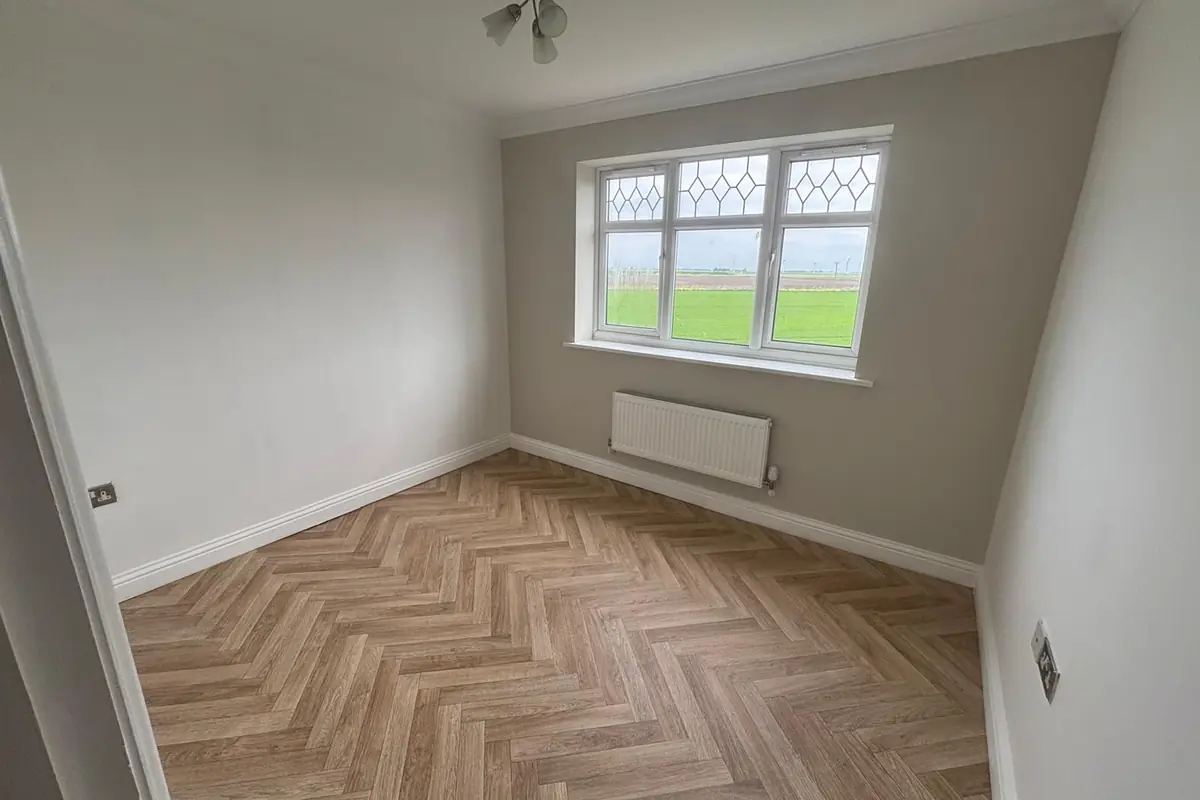
Your new floor starts with a conversation.
Tell us what you're planning, choose a convenient time and we'll bring the flooring to you.