

New Build Flooring in Peterborough
Cambridgeshire Carpets is the trusted new build flooring partner for developers, builders and housing associations across Peterborough, Orton, Hampton, Werrington, Yaxley and the wider PE postcode.
From £18/m² (fitted)
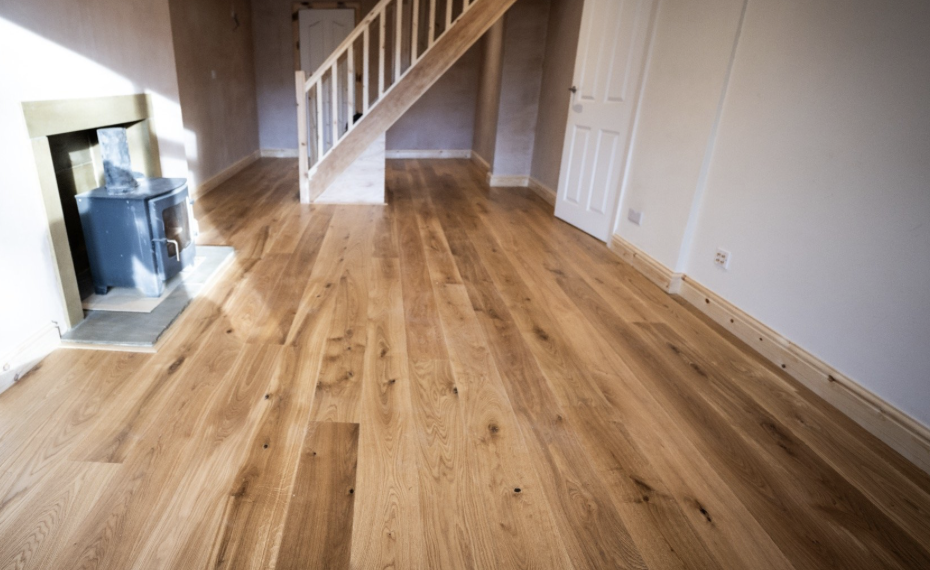
New Build Flooring in Peterborough - Cambridgeshire Carpets
The essentials, in four lines.
Complete flooring packages for developers, housing associations and self-builders
Free site visit and specification advice
Serving Peterborough and all of Cambridgeshire (PE1–PE7 and beyond)
Rated 5.0 stars across 75 genuine Google reviews
New Build Flooring in Peterborough — Carpet, LVT & Vinyl for New Homes
Cambridgeshire Carpets supplies and fits flooring for new build homes across Peterborough and the wider Cambridgeshire area, for homeowners, self-builders, developers and housing associations throughout PE1–PE7. We know the new-build estates of Hampton, Cardea, Stanground South and Paston Reserve inside out, and we time our fitting around your move-in so your new home is finished exactly how you want it. Call 01733 924009 for a free home visit.
In short: the best time to fit flooring in a new build is in the window just after handover and before the furniture arrives — usually a 6–8 week opportunity. Developer-grade carpet and vinyl is often basic, so upgrading early gives you better quality with no disruption. We supply and fit carpet, LVT, vinyl and laminate, working to tight move-in timelines, with prices to suit every budget across all Peterborough new-build developments.
Why Choose Cambridgeshire Carpets for New Build Flooring in Peterborough?
We are a local, independent flooring specialist rated 5.0 stars across 75 Google reviews, and we fit on Peterborough's new estates every week. We bring a mobile showroom to your new home, advise on the right floor for each room and for any underfloor heating, and fit cleanly to your timeline — ideally before you move in. We handle single homes and developer plots alike. Cambridgeshire Carpets Ltd is registered at Companies House (No. 15769348), based at 4 The Manor Grove Centre, Vicarage Farm Road, Peterborough, PE1 5UH.
The New Build Flooring Window — Why Timing Matters
The single biggest advantage in a new build is timing. Fitting flooring before furniture and belongings arrive means rooms are empty, access is easy, and there is no need to move heavy items or work around your life. Many Peterborough buyers arrange flooring for the week or two after legal completion, so they move into a finished home. If you have already moved in, we still fit around you room by room — but if you can plan ahead, the empty-house window gives the cleanest, fastest and often cheapest result.
Should You Upgrade the Developer's Flooring?
Many new homes are sold with a basic flooring specification or as a developer “extra.” Builder-grade carpet is frequently a thin, low-spec polypropylene that flattens quickly, and the standard vinyl is rarely the finish buyers actually want. Upgrading at the outset — a better carpet in the bedrooms, quality LVT through the hall and kitchen-diner — costs less than replacing developer flooring a couple of years later and gives you a home that looks and feels right from day one. We are always happy to compare the developer option against an independent upgrade so you can make an informed choice.
The Right Floor for Each Room in a New Build
- Open-plan ground floor: a single run of LVT from hallway through kitchen to dining area gives a seamless, hard-wearing, waterproof finish — ideal for the open layouts of Hampton and Cardea homes.
- Living rooms: LVT, laminate or a comfortable twist-pile carpet, depending on the look you want.
- Bedrooms: a soft, warm carpet is the most popular choice — a mid-priced twist or saxony over quality underlay.
- Bathrooms and en-suites: waterproof vinyl or LVT.
- Stairs and landings: a hard-wearing carpet or runner — see our stair carpet fitting service.
New Builds & Underfloor Heating
Many newer Peterborough homes — particularly in Hampton Vale, Hampton Gardens and Cardea — have underfloor heating on the ground floor. The floor covering must be UFH-compatible: LVT and engineered wood both perform excellently, and we confirm the maximum surface temperature and use UFH-suitable underlay where carpet is chosen. We also allow for the screed to be fully dried and the heating commissioned before fitting, which protects your new floor.
For Developers, Self-Builders & Housing Associations
We work with developers, contractors, self-builders and housing associations on plot flooring across Peterborough and Cambridgeshire, offering competitive contract rates, reliable scheduling to your build programme, and a single point of contact for multi-plot projects. Whether it is a handful of self-build rooms or a phased development, we deliver consistent quality to deadline. See our trade and contract flooring page for trade pricing.
How Much Does New Build Flooring Cost in Peterborough?
Cost depends entirely on the floors you choose. As a 2026 guide: carpet from £18–£35/m² fitted, LVT from £35–£70/m² fitted, laminate from £18–£35/m² fitted, and vinyl from £15–£45/m² fitted. Many new-build buyers do the whole house in a single visit, and we are happy to quote a few different specifications so you can balance budget across the rooms. We measure your new home and quote in writing with no obligation — call 01733 924009.
Our New Build Flooring Process
Our process fits neatly around a move: a free home visit with samples (we can often visit before completion by arrangement); a written quote covering every room; scheduling for the empty-house window or around your move-in; checks that any screed is dry and UFH commissioned; and a clean, precise installation with all waste removed. You move into a home that is finished and ready to enjoy.
Areas We Cover for New Build Flooring
We fit new build flooring across every Peterborough postcode — PE1, PE2, PE3, PE4, PE6 and PE7 — including the new developments at Hampton Vale, Hampton Gardens, Hampton Water, Cardea, Stanground South, Paston Reserve and Norwood. We also cover new estates across the wider Cambridgeshire area, including Yaxley, Whittlesey, Huntingdon, St Neots, Stamford and Market Deeping. See our areas we cover page for the full footprint.
Book Your Free New Build Flooring Quote in Peterborough
To get your new home finished the way you want it, call our Peterborough team on 01733 924009, email contact@cambridgeshirecarpets.co.uk, or request a free home visit online. We bring samples to you, measure for free, and provide a clear written quote with no obligation — across PE1–PE7 and all of Cambridgeshire. Cambridgeshire Carpets Ltd, Company No. 15769348.
From first idea to finished floor.
Four steps, one point of contact, no surprises — and nothing to pay until you've seen a written quote you're happy with.
Book your free home measurement
Choose a time that suits you online, or call 01733 924009 and we'll arrange it.
We come to you
We bring flooring samples, measure every room properly and check what's underneath the old floor.
Choose with confidence
We help you select the right flooring, underlay and preparation — then send a clear written quote within 24 hours.
We fit it properly
Our own installers uplift, prepare and fit with care and attention to detail — backed by a 2-year workmanship guarantee.
The services that finish the job.
Don't just take our word for it.
Straight answers from the fitting team.
Anything else you'd like to know? Call 01733 924009 — we're happy to help.
When is the best time to fit flooring in a new build?
The ideal window is just after handover and before the furniture arrives — usually a 6–8 week opportunity. With the rooms empty, access is easy, there is nothing to move, and the work is faster and cleaner. Many Peterborough buyers arrange flooring for the week or two after legal completion.
Should I upgrade the developer's flooring?
Often yes. Builder-grade carpet is frequently a thin polypropylene that flattens quickly, and standard vinyl is rarely the finish buyers want. Upgrading at the outset usually costs less than replacing developer flooring a couple of years later, and gives a home that looks right from day one.
How much does new build flooring cost in Peterborough?
It depends on the floors chosen: carpet from £18–£35/m² fitted, LVT from £35–£70/m², laminate from £18–£35/m², and vinyl from £15–£45/m². Many buyers do the whole house in a single visit. We measure your new home and quote a few specifications in writing so you can balance budget across rooms.
Can you fit flooring before I move in?
Yes — fitting before move-in is the ideal scenario and we can often arrange a sample visit before completion. With an empty house we fit faster and cleaner, and you move into a finished home. If you have already moved in, we fit around you room by room.
What flooring works best in an open-plan new build?
A single run of LVT from the hallway through the kitchen-diner gives a seamless, waterproof, hard-wearing finish that suits the open layouts of Hampton and Cardea homes. Bedrooms usually suit warm carpet, and bathrooms suit waterproof vinyl or LVT. We plan the right combination for your layout.
Is the flooring suitable for underfloor heating in new builds?
Yes — many Peterborough new builds have ground-floor underfloor heating. LVT and engineered wood perform excellently over UFH, and where carpet is chosen we use UFH-suitable underlay. We also ensure the screed is dry and the heating commissioned before fitting to protect the new floor.
Your new floor starts with a conversation.
Tell us what you're planning, choose a convenient time and we'll bring the flooring to you.