

Best Carpet for Allergy Sufferers in Peterborough: What to Choose and What to Avoid
Which carpets suit allergy-conscious Peterborough homes: short twist and loop piles, new underlay, what to avoid and when a hard floor is better.
Key takeaways
The short version, checked by our fitting team.
The best carpet for allergy sufferers is a short, dense twist or low loop pile on brand-new underlay
Avoid shag and deep, loose piles, old underlay, and any carpet laid over a damp floor
Pile height and density matter more than fibre: polypropylene and wool can both work in a short pile
For a bedroom with a diagnosed dust mite allergy, a hard floor such as LVT or laminate is easier to keep clear
The best carpet for allergy sufferers is a short, dense twist or low loop pile in polypropylene or a wool mix, fitted over brand-new underlay and vacuumed regularly with a HEPA-filter vacuum. Avoid shag and deep, loose piles, and never lay new carpet over old underlay. If the allergy is to house dust mites and the room is a bedroom, a hard floor is easier to keep clear.
That is the honest answer our fitters give on home visits across Peterborough, and it comes with a caveat: we fit floors, we do not diagnose allergies. If you or your child has asthma, eczema or a diagnosed allergy, follow the advice of your GP or allergy specialist first, then use this guide to choose a floor that makes that advice easier to live with. From a Victorian terrace in PE1 to a newer home in Hampton or Cardea, the same few choices decide how much dust a carpet holds.
What Is the Best Carpet for Allergy Sufferers?
Carpet does not create allergens. It collects them: dust, pet dander, pollen walked in on shoes, and the house dust mites that live wherever dust and moisture gather. The best carpet for an allergy-conscious home is therefore the one that gives those particles the least room to settle and gives your vacuum the best chance of lifting them out. In practice that means a short pile, a dense construction and a fibre that does not hold on to moisture. This is how the carpet types we fit compare:
| Carpet type | How easy it is to keep clear of dust | Why | Our verdict for allergy-conscious homes | Supply-and-fit guide |
|---|---|---|---|---|
| Short twist pile, polypropylene | Easy | Short, tightly twisted tufts; the fibre does not absorb moisture and many ranges can be cleaned with a diluted bleach solution | Our first choice for most rooms | From £14/m² |
| Short twist pile, wool mix | Easy | Dense and resilient, so the pile stays upright and vacuums well; sheds a little loose fibre in the first weeks | A good choice if you prefer a natural fibre | £25–£40/m² |
| Low, tight loop pile | Easy | A flat, closed surface with little depth for dust to work into | A good choice; less suited to homes with cats or dogs, whose claws can catch the loops | Quoted at the free home visit |
| Deep saxony | Harder | A longer, softer pile holds more dust lower down, where a vacuum reaches it less easily | Better kept for rooms the allergy sufferer does not sleep in | £25–£40/m² in a wool mix |
| Shag and very long piles | Hardest | Long, loose tufts trap dust and hair and are slow to vacuum thoroughly | Avoid | Not a style we recommend here |
| Premium wool and woven | Easy to moderate, depending on pile height | Very dense construction; choose a short, flat weave over a deep pile | Suitable in a short pile | £40–£70+/m² |
The prices are our supply-and-fit starting points, with underlay and gripper included on carpet; the full list is on our flooring prices in Peterborough page. You can see the ranges themselves on our carpets in Peterborough page.
Is Carpet Bad for Allergies?
It depends on the allergy and the room. Allergy UK, the national allergy charity, notes in its house dust mite factsheet that mites are found in bedding, carpets, soft furnishings and clothing. Its advice is to remove carpet from the bedroom if possible, to remove carpet from concrete floors that trap moisture, and, where carpet stays, to vacuum it regularly with a high-filtration vacuum cleaner.
We think that is the right starting point, even though we sell carpet. Our rule of thumb is simple:
- Diagnosed dust mite allergy or asthma, and it is the sufferer's bedroom: choose a hard floor. It is the room where they spend the most hours, and a hard floor can be damp-wiped clean.
- Milder or seasonal allergies, or any other room: a short, dense carpet on new underlay, vacuumed properly, is a reasonable and comfortable choice.
- Stairs and landings: carpet remains the safer, quieter option underfoot, so pick the shortest, densest pile you like the look of.
Which Carpet Fibre Is Best for Allergies: Wool or Polypropylene?
Both can work. The pile height and density matter more than the fibre, but the fibres do behave differently.
Polypropylene does not absorb moisture, which matters because dust mites and mould both need damp conditions. It is also the easiest fibre to clean hard: many polypropylene ranges are sold as bleach-cleanable, although you should always check the care guide for the exact carpet before using anything stronger than a carpet shampoo. Cormar and Abingdon both make hard-wearing polypropylene twists, and you can read more on our Cormar carpets in Peterborough page.
Wool is dense and springy, so a wool twist keeps its pile upright and releases dust well under a vacuum. Two things are worth knowing. A new cut-pile wool carpet sheds loose fibre for the first few weeks, which is normal and vacuums away; our guide to why new carpet sheds explains it. And if wool clothing irritates your skin, take a sample home and handle it before you commit. Westex, Ulster and Brockway are known for their wool-rich ranges; see our Westex carpets in Peterborough page, and our comparison of wool carpet vs synthetic carpet for cost and wear.
Which Carpets Should Allergy Sufferers Avoid?
Three things:
- Shag and deep, loose piles. The longer and looser the tuft, the more dust and pet hair it holds and the harder it is to vacuum down to the backing.
- Old carpet and old underlay. Years of dust settle into both. Laying a new carpet over old underlay keeps that dust in the room.
- Any carpet on a damp floor. A carpet that sits on a damp concrete slab stays humid underneath, which is exactly what mites and mould need. The damp has to be dealt with first.
If you are torn between pile types, our guides to saxony vs twist pile and loop pile vs cut pile go into the detail.
Does Underlay Matter for Allergies?
Yes, more than most people expect. Underlay sits under the carpet for its whole life, and an old one that has gone flat and crumbly holds dust you can never vacuum out. For an allergy-conscious home we always recommend lifting the old underlay and fitting new, which starts from £4/m² supplied and fitted and is included in our fitted carpet prices.
On ground floors, the subfloor matters too. Many Peterborough homes have solid concrete ground floors, and a slab that lets moisture through will keep the underside of a carpet damp. We check the subfloor at the free home visit and will tell you if a damp-proof underlay or other preparation is needed before any carpet goes down. See our carpet underlay in Peterborough page and our guide to underlay on concrete floors.
Should You Choose a Hard Floor Instead of Carpet?
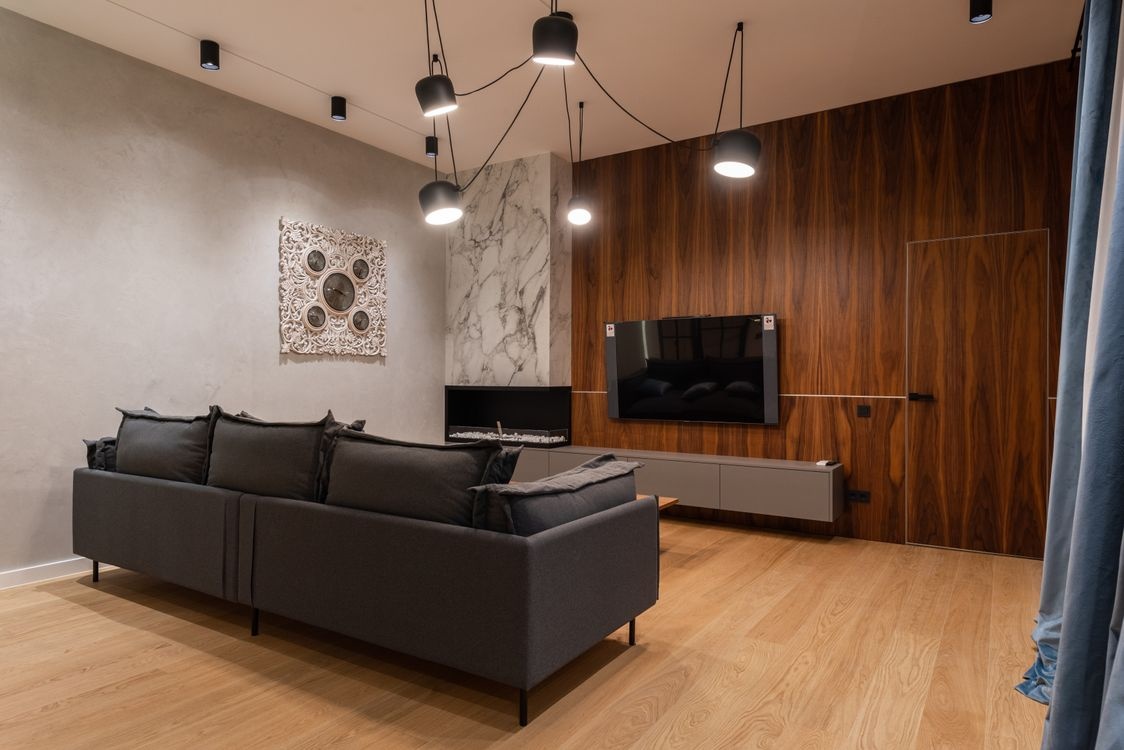
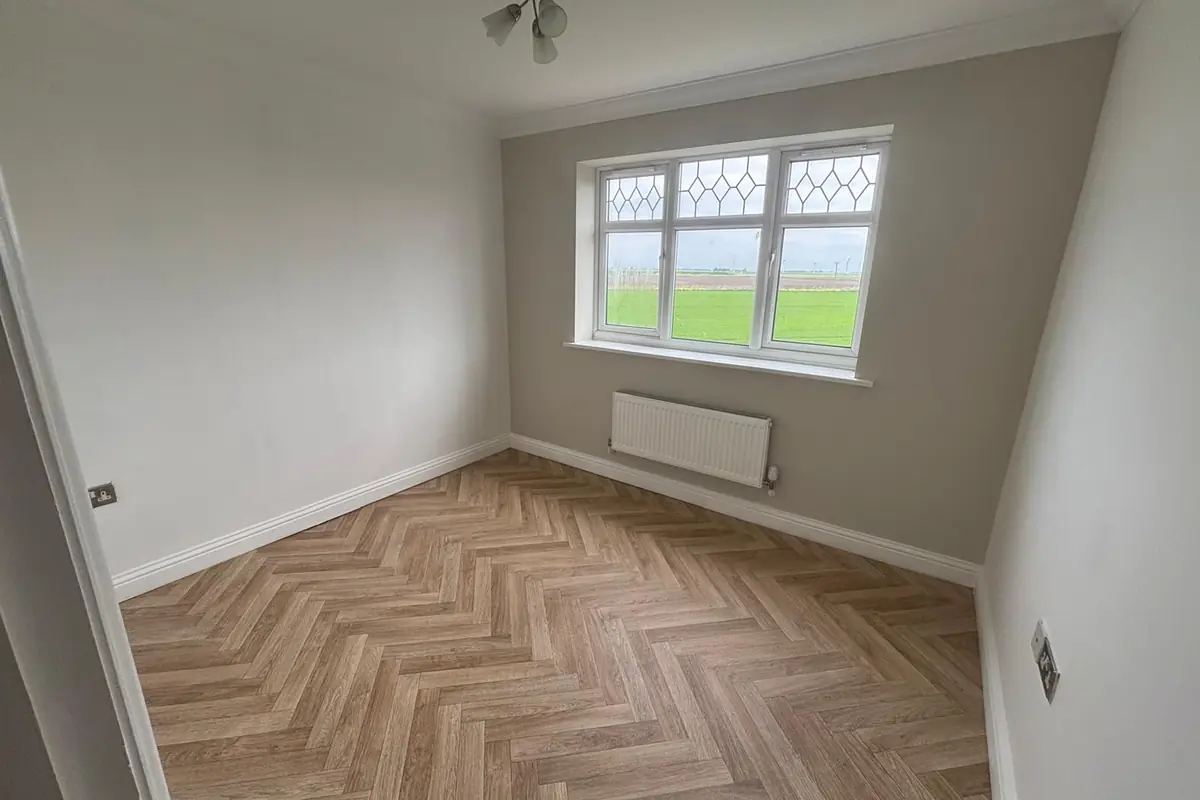
For the bedroom of someone with a dust mite allergy, usually yes. A hard floor has no pile, shows dust so you can see it, and can be damp-mopped rather than only vacuumed. The hard floors we fit are:
- LVT, from £35/m² supplied and fitted: warm and quiet underfoot for a hard floor, and waterproof. See luxury vinyl tiles in Peterborough.
- Laminate, from £18/m² supplied and fitted: the lower-cost route to a wood look. See laminate flooring in Peterborough.
- Sheet vinyl, from £15/m² supplied and fitted: seamless and simple to wipe clean.
A hard floor is not maintenance-free: dust still lands on it and needs removing regularly, and a washable rug by the bed is the usual compromise for warmth. A common arrangement is a hard floor in the bedroom with a short twist carpet on the stairs and landing. Our carpet or LVT decision guide walks through the choice room by room.
Does New Carpet Make Allergies Worse at First?
It can feel that way for a short time, for three reasons. Lifting the old carpet releases the dust it has been holding. A new carpet has a noticeable smell for a while, which we cover in why new carpet smells after fitting. And a new wool cut pile sheds loose fibre in its first weeks.
All three are manageable. Ask us to take up and remove the old carpet and underlay as part of the job, keep the allergy sufferer out of the room while that is done, open the windows on fitting day and for the days after, and vacuum the new carpet regularly from the first week.
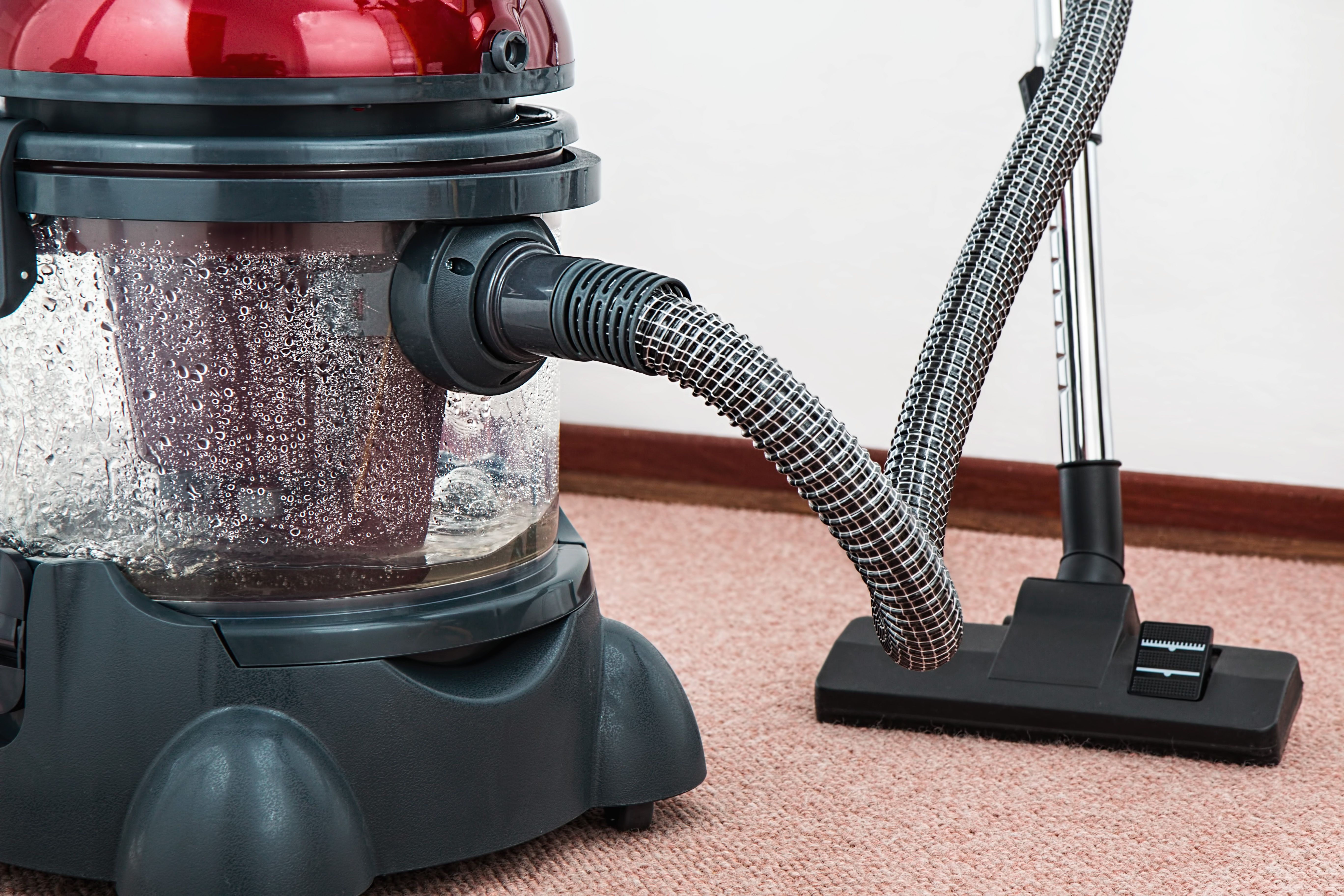
How Do You Keep Carpet Allergy-Friendly Once It Is Fitted?
The carpet you choose is half of it. The routine is the other half, and these steps follow Allergy UK's published guidance on house dust mites:
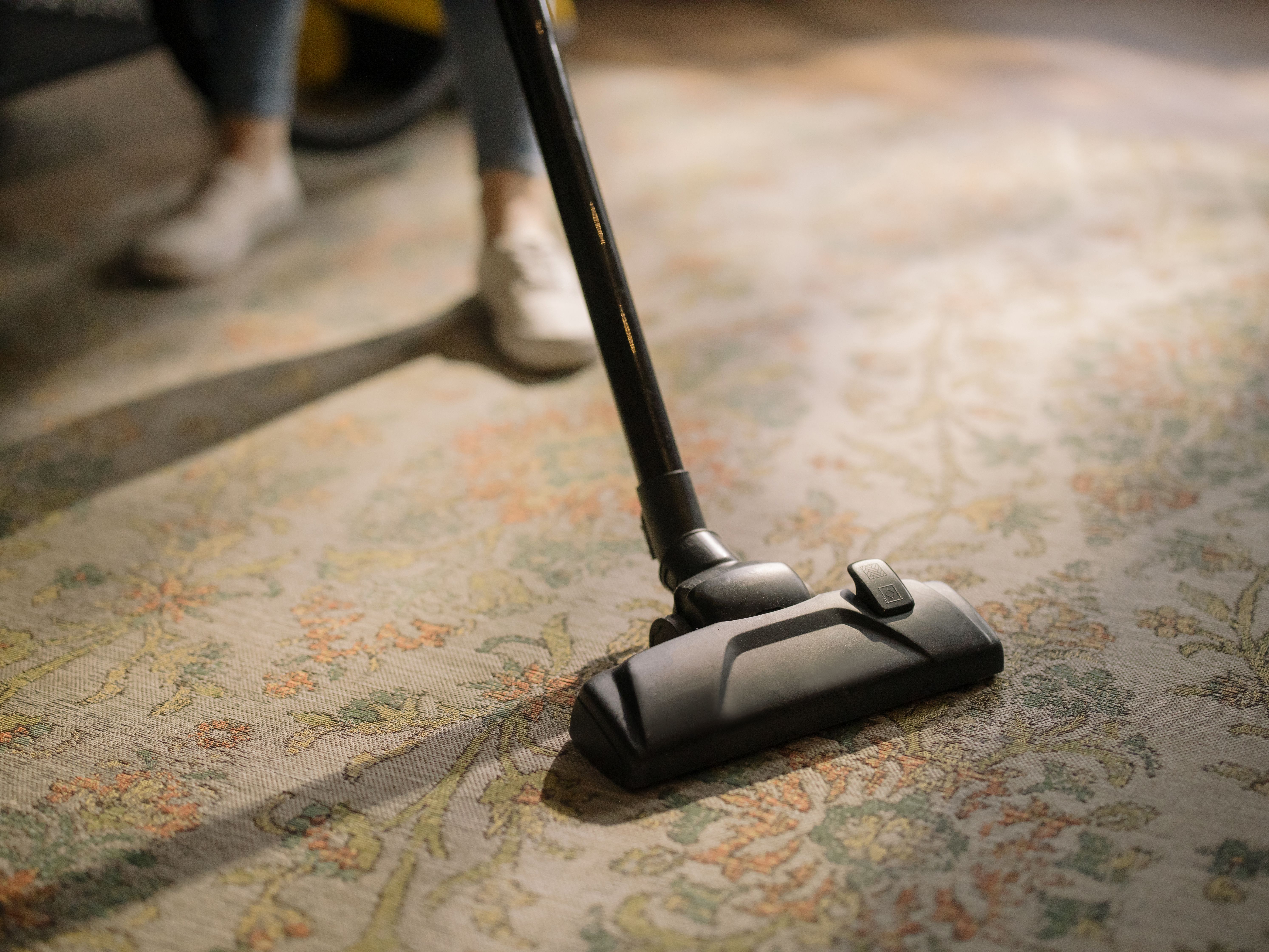
- Vacuum regularly with a high-filtration vacuum. Look for a HEPA or S-class filter, and make slow passes so the machine has time to lift dust from the base of the pile.
- Keep humidity down. Ventilate, use the trickle vents, and if necessary run a dehumidifier to keep indoor humidity under 50% but above 30%.
- Wash bedding weekly at 60°C or above, which kills mites. The bed matters as much as the floor.
- Damp-wipe surfaces weekly so dust is removed rather than moved onto the carpet.
- Stop it at the door. A doormat and a shoes-off habit keep pollen and outdoor dust out of the pile.
- Deal with spills straight away and never leave a carpet damp.
For the wider care routine, see how to keep your carpet looking new.
How Much Does Allergy-Friendly Carpet Cost in Peterborough?
No more than any other carpet, because the features that help, a short pile and a dense construction, are found at every price point. Supplied and fitted with underlay and gripper, a hard-wearing polypropylene twist starts from £14/m², wool-mix twists run from £25–£40/m², and premium wool and woven ranges are £40–£70+/m². Stairs are priced from £25 per step.
Every quote is itemised and sent in writing within 24 hours of the home visit. The full price list is on our flooring prices in Peterborough page.
Book a Free Home Visit in Peterborough
The easiest way to choose is to see and handle the samples at home, in the room and the light they will live in. As carpet fitters in Peterborough, we bring short-pile twists, loops and hard-floor samples to you, check the subfloor and the existing underlay, and tell you plainly what we would fit if it were our own home. Every floor is fitted by our own team and backed by a 2-year workmanship guarantee, and we are rated 5.0 from 75 Google reviews. We cover Peterborough, the PE postcodes and the rest of Cambridgeshire. Call 01733 924009 to book your free home visit, Monday to Friday.
Need a floor fitted?
Book a free home visit — we bring samples, measure up and send a written quote within 24 hours.
Book a free home measurementWhat is the best carpet for allergy sufferers?
A short, dense twist or low loop pile in polypropylene or a wool mix, fitted over new underlay. Short, tight piles give dust less room to settle and release it more easily to a HEPA-filter vacuum. Avoid shag and deep, loose piles, and never reuse old underlay.
Is wool or synthetic carpet better for allergies?
Either can work, because pile height and density matter more than fibre. Polypropylene does not absorb moisture and is the easiest to clean hard. Wool is dense and vacuums well, but a new wool cut pile sheds loose fibre for the first few weeks. Choose a short pile in whichever you prefer.
Is carpet or hard flooring better for a dust mite allergy?
For the bedroom of someone with a diagnosed dust mite allergy, a hard floor is easier to keep clear, and Allergy UK advises removing bedroom carpet where possible. Elsewhere in the home, a short, dense carpet that is vacuumed regularly with a high-filtration vacuum is a reasonable choice.
Should I replace the underlay if someone in the house has allergies?
Yes. Old underlay holds years of dust that cannot be vacuumed out, so laying new carpet over it keeps that dust in the room. New underlay starts from £4/m² supplied and fitted and is included in our fitted carpet prices.
How should you vacuum carpet if you have allergies?
Allergy UK advises vacuuming regularly with a high-filtration vacuum cleaner, meaning a HEPA or S-class filter. Make slow passes so the machine can lift dust from the base of the pile, and if possible ask someone without allergies to do it or to empty the vacuum.
Who fits allergy-friendly carpet near me in Peterborough?
We do. Cambridgeshire Carpets supplies and fits short-pile twist and loop carpets, new underlay and hard floors from our showroom at 4 The Manor Grove Centre, Peterborough PE1 5UH, covering PE1–PE7 and the surrounding area. Call 01733 924009, Monday to Friday, for a free home visit with samples.

Don't just take our word for it.
Your new floor starts with a conversation.
Tell us what you're planning, choose a convenient time and we'll bring the flooring to you.