

Engineered Wood vs Laminate: The Honest Comparison for Peterborough Homes
Engineered wood or laminate? A Peterborough fitter's honest verdict on cost, wear, water, underfloor heating and which floor suits each room.
Key takeaways
The short version, checked by our fitting team.
Laminate is the cheaper, more scratch-resistant choice, from £18/m² supply and fit.
Engineered wood has a real timber surface and starts from £40/m², with mid-range oak at £40–£60/m².
Engineered wood can often be sanded and refinished, while worn laminate has to be replaced.
Neither floor suits a bathroom, where LVT or sheet vinyl is the better choice.
Verdict: choose laminate if you want the most scratch-resistant, lowest-cost wood look, from £18/m² fitted. Choose engineered wood, from £40/m², if you want real timber that can be sanded and refinished and will age with the house. For busy family rooms and rentals, laminate usually wins. For long-term homes and period rooms, engineered wood does.
That is the short version from our Peterborough fitting team. Both floors look like wood, both click together over an underlay in most homes, and both suit a lot of rooms. The differences are in what the top layer is made of, how it copes with daily life, and what it costs. Here is the full comparison.
What is the difference between engineered wood and laminate?
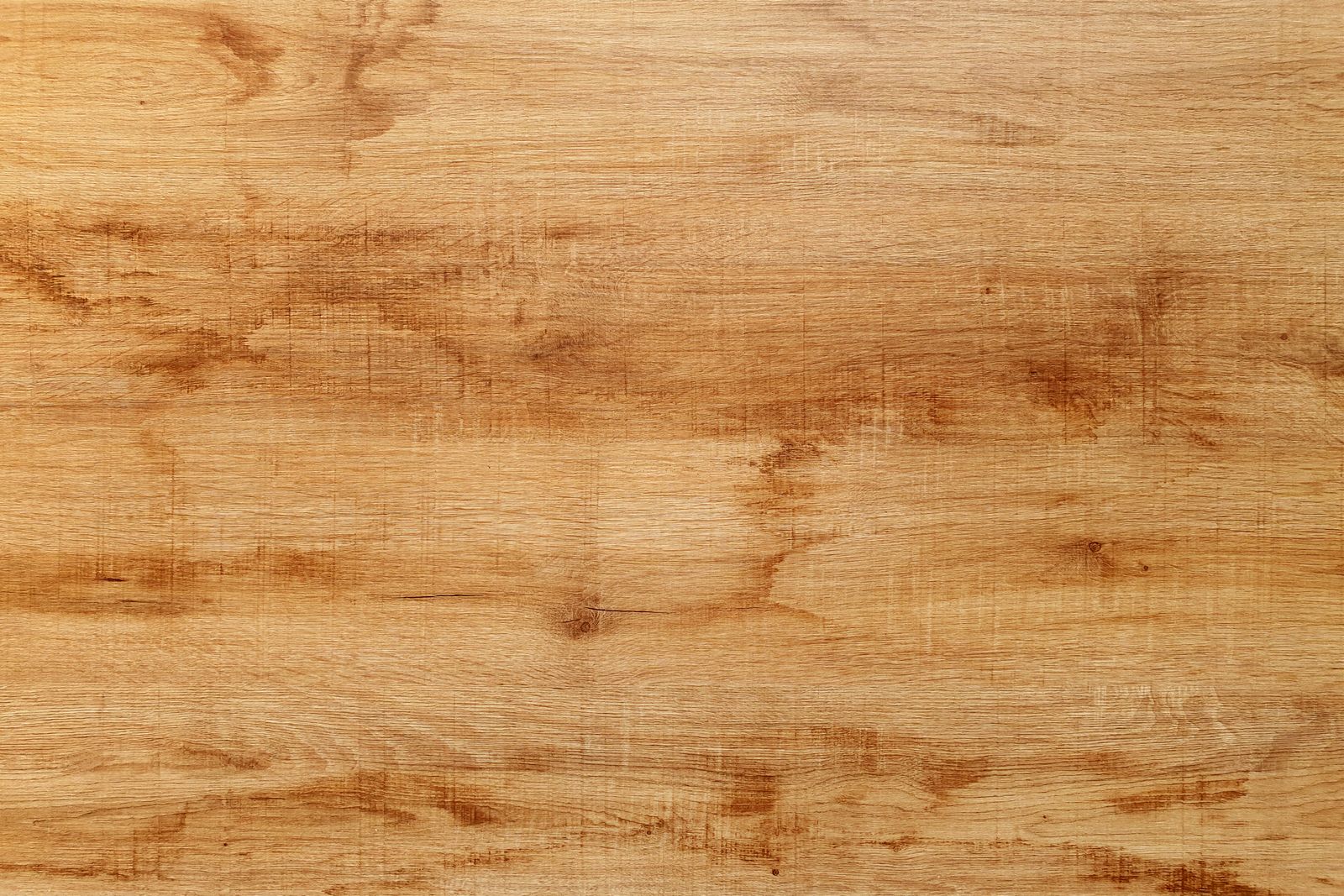
Engineered wood has a real hardwood top layer, usually oak, bonded to a stable core of plywood or other timber layers. What you walk on is genuine wood, with its own grain, knots and colour changes.
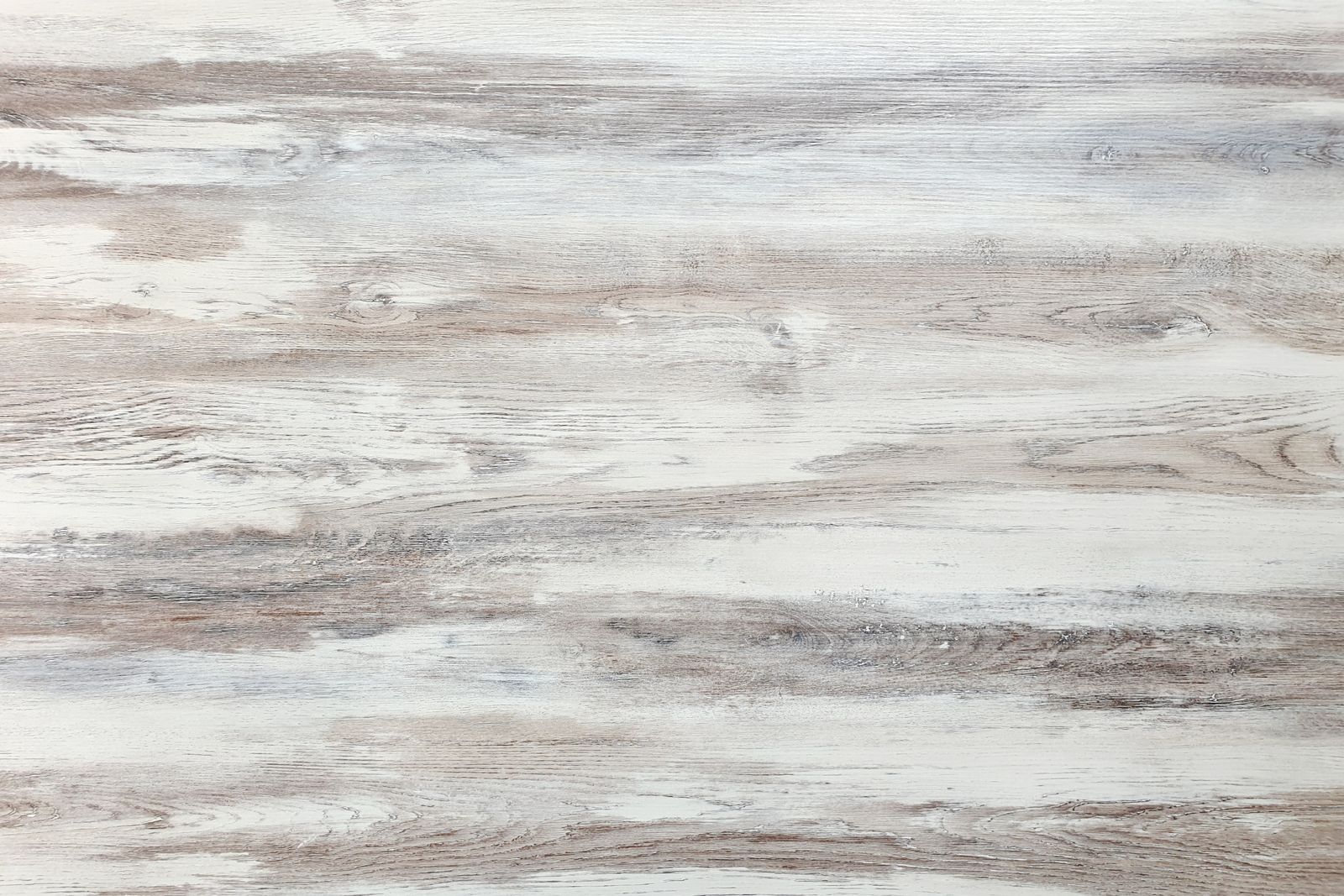
Laminate has a high-density fibreboard core with a printed photographic layer on top, sealed under a tough clear wear layer. It looks like wood, and good laminate looks very convincing, but there is no real timber on the surface.
That one difference drives almost everything else in the table below.
Engineered wood vs laminate: how do they compare side by side?
| Factor | Engineered wood | Laminate |
|---|---|---|
| Construction | Real hardwood top layer over a plywood or multi-layer core | Fibreboard core with a printed decor layer and clear wear layer |
| Real wood surface | Yes | No, a photographic image of wood |
| Water | Copes with wiped-up spills; standing water will mark or swell it | Standard boards can swell at the joints if water sits; water-resistant ranges cope better with spills |
| Scratches and dents | Oak can scratch and dent; marks blend in as part of the character | Hard wear layer resists scratches well; deep damage means replacing boards |
| Refinishing | Can be sanded and refinished, depending on top-layer thickness | Cannot be sanded or refinished |
| Underfloor heating | Generally suitable within the manufacturer's temperature limits | Many boards are suitable with the right underlay; check the product |
| Noise | Solid, natural sound, especially when glued down | Can sound hollow or clicky; a good underlay helps a lot |
| Price (supply and fit) | From £40/m²: mid-range oak £40–£60, premium £60–£90+ | From £18/m²: AC3–AC4 £18–£25, premium and water-resistant £25–£35 |
Our full price bands for every floor type are on the flooring prices in Peterborough page.
Which is cheaper, engineered wood or laminate?
Laminate, by a clear margin. Laminate is from £18/m² supply and fit, with underlay and fitting included. A typical living room of 16–20 m² comes to £350–£650. Engineered wood is from £40/m², and a hallway and living room of 25–35 m² typically comes to £1,200–£3,000.
Worked example for an 18 m² living room:
- AC3–AC4 laminate: 18 m² × £18 = £324 up to 18 m² × £25 = £450.
- Mid-range engineered oak: 18 m² × £40 = £720 up to 18 m² × £60 = £1,080.
Door bars, skirting work and uplift of the old floor are itemised in the written quote. If your subfloor needs levelling, that is £5–£15/m² where needed.
What do AC ratings and wear layers mean?
Laminate is graded by an AC rating, which measures how well its surface resists wear. AC3 suits most rooms in a normal home. AC4 is tougher and is the one we suggest for hallways, kitchens and homes with pets. Premium and water-resistant ranges sit in the £25–£35/m² band.
Engineered wood is judged by the thickness of its real wood top layer and by its finish. A thicker top layer can be sanded more times over its life. Lacquered finishes are easy to clean day to day. Oiled finishes look more natural and can be spot-repaired, but need occasional re-oiling. We will explain the options on each sample when we visit.
How are they fitted?
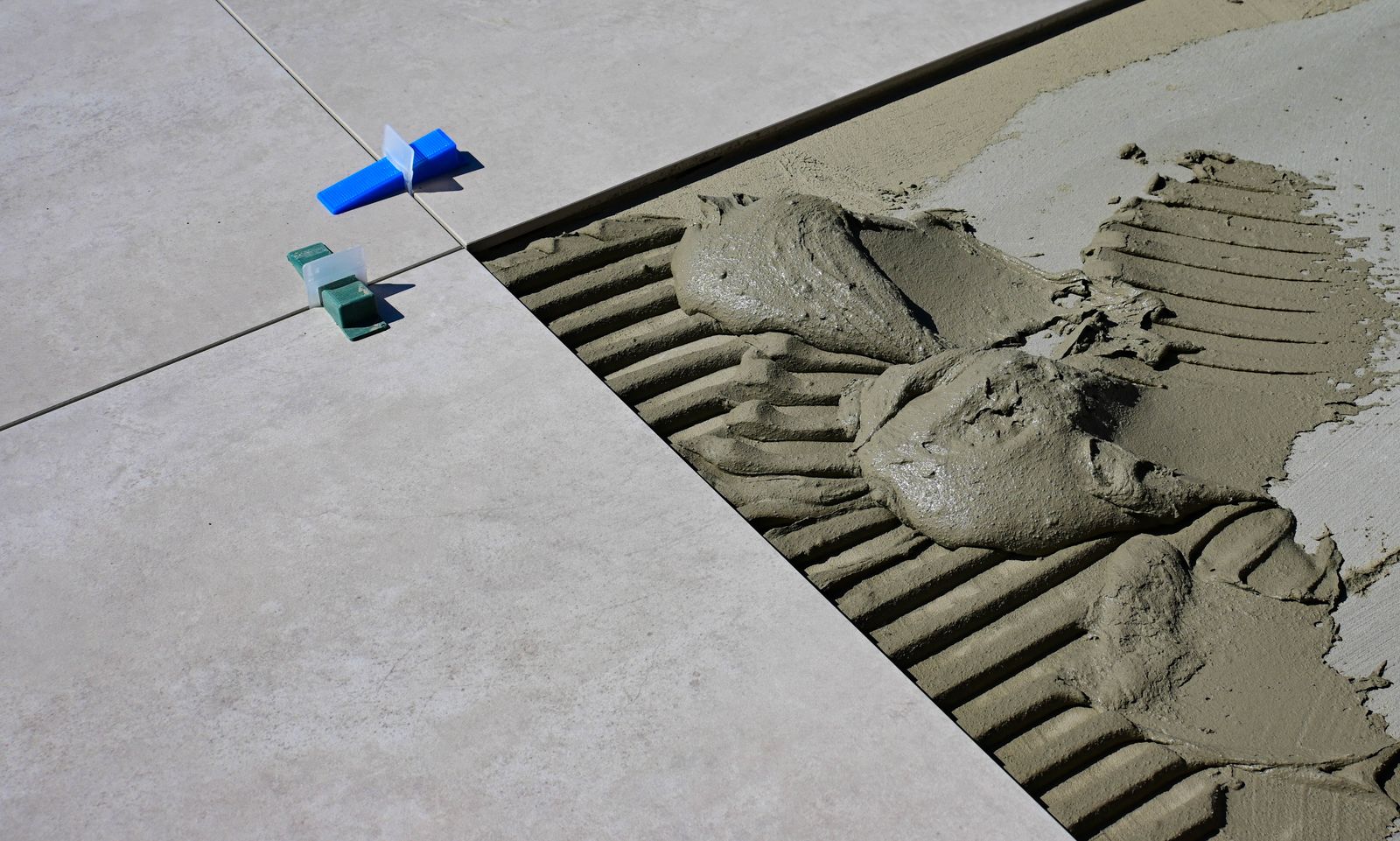
Most laminate is a floating floor. The boards click together over an underlay and are not fixed to the subfloor. Engineered wood can also float on an underlay, or be glued down, which gives a firmer, quieter feel. Either way, the subfloor must be flat, dry and sound first. We check this at the free home visit, and we talk through underlay choices for upstairs rooms where noise matters.
Which is better with pets, children and heavy wear?
Laminate, in most homes. A good AC4 laminate has a hard-wearing surface that shrugs off claws, toy cars and chair legs better than a lacquered or oiled oak. If a board does get badly damaged, it is replaced rather than repaired.
Engineered oak will pick up marks in a busy home. Some owners like that, because the floor gains character. Others find it frustrating. If you want real wood and have a large dog, a brushed or textured oak with a matt finish hides marks better than a smooth, glossy board.
Which lasts longer?
Engineered wood, if it is looked after. Because the top layer is real timber, a worn engineered floor can often be sanded and refinished, depending on the thickness of that top layer. A worn laminate cannot. When its wear layer goes, the floor is replaced.
For a rental or a home you plan to sell within a few years, that difference matters less. For a forever home, it matters more. Our guide to real flooring lifespans covers this in more depth.
Engineered wood or laminate: which is best room by room?
- Living room: either. Engineered oak for warmth and real grain in a long-term home; laminate for a family room on a budget.
- Hallway: laminate for grit and muddy boots, or a tough brushed engineered oak with a good entrance mat.
- Kitchen: a water-resistant laminate or, better still, LVT. Engineered wood can work in a kitchen-diner if spills are wiped up quickly.
- Bathroom: neither. Choose LVT or sheet vinyl instead.
- Bedroom: either, with a good underlay to cut noise to the room below.
- Rental property: laminate, for cost and easy board replacement between tenants.
- Period home: engineered wood. In PE1 Victorian terraces and older village houses, real timber suits the character.
If water resistance is your top priority, also read our LVT vs laminate comparison and our engineered wood vs LVT guide.
Which works best with underfloor heating?
Both can work. Engineered wood is a popular choice over underfloor heating because its layered core is more stable than solid wood. Many laminates are also suitable, provided the underlay is rated for underfloor heating. In both cases the floor must stay within the manufacturer's temperature limits. Our guide to the best flooring for underfloor heating goes through each option.
Which is quieter?
Engineered wood usually sounds more solid, especially when glued down onto a concrete slab, as in many Orton and Bretton homes. Floating laminate can sound hollow or clicky underfoot. The right underlay closes most of that gap, and in upstairs rooms we always talk about acoustic underlay first.
Where can I see both floors in Peterborough?
At our showroom at 4 The Manor Grove Centre, Vicarage Farm Road, PE1 5UH, or at home on a free home visit. Seeing samples in your own light and next to your own kitchen or furniture is the best way to decide. Find out more about engineered wood flooring in Peterborough and laminate flooring in Peterborough, or see our Peterborough flooring page.
Every floor is fitted by our own team and comes with a 2-year workmanship guarantee.
Want an honest recommendation for your rooms?
Book a free home visit and we will bring engineered wood and laminate samples, check your subfloor and measure up. You will get a written quote within 24 hours. Call 01733 924009, Monday to Friday 9am–5pm, or use our contact form.
Need a floor fitted?
Book a free home visit — we bring samples, measure up and send a written quote within 24 hours.
Book a free home measurementIs engineered wood better than laminate?
It depends on the room and your priorities. Engineered wood has a real timber surface and can often be refinished, so it suits long-term homes and period rooms. Laminate is cheaper and more scratch resistant, so it suits busy family rooms, hallways and rentals.
Can you tell the difference between laminate and engineered wood?
Good laminate looks convincing from standing height. Up close, engineered wood shows real grain depth, natural variation and a warmer, more solid feel and sound underfoot. Laminate repeats its printed pattern every few boards, which a trained eye will spot.
How much does engineered wood cost compared with laminate?
Laminate is from £18/m² supply and fit, with AC3–AC4 at £18–£25 and premium or water-resistant at £25–£35. Engineered wood is from £40/m², with mid-range oak at £40–£60 and premium wide-plank, walnut and herringbone at £60–£90+.
Can laminate or engineered wood go in a bathroom?
We do not recommend either in a bathroom. Standing water and steam can swell the joints of laminate and mark engineered wood. LVT or sheet vinyl is the better choice for bathrooms and en-suites.
Where can I get engineered wood or laminate fitted near me in Peterborough?
Our own team fits both from our Peterborough showroom at The Manor Grove Centre, PE1 5UH, and across the PE postcodes. Book a free home visit with samples and you will get a written quote within 24 hours. Call 01733 924009, Monday to Friday 9am–5pm.
Can I supply my own laminate for you to fit?
No. We supply and fit, or supply only. We do not fit flooring bought elsewhere, because we cannot guarantee materials we did not supply. With supply and fit, one team is responsible for the floor, the underlay and the finished job.
Related guides
Related Reading from Our Peterborough Flooring Team
- LVT vs Laminate Flooring: Which Is Right for Your Peterborough Home?
- Engineered Wood vs LVT in Peterborough: Which Floor Is Right for Your Home?
- Best Flooring for Underfloor Heating: A Peterborough Fitter's Guide
- Quick-Step Laminate: Why It's Our Fitters' First Choice for Peterborough Homes
- The Best Pet-Friendly Flooring for Cambridgeshire Homes

Don't just take our word for it.
Your new floor starts with a conversation.
Tell us what you're planning, choose a convenient time and we'll bring the flooring to you.