

How Long Does Carpet Last? Real Lifespans for Carpet, Laminate, LVT and Underlay in Peterborough Homes
Typical lifespans for carpet, underlay, laminate and LVT from a Peterborough fitter, with what wears each floor out and how to make it last longer.
Key takeaways
The short version, checked by our fitting team.
Carpet typically lasts 10 to 15 years in most homes, and premium woven wool 20 years or more with care
Quality underlay typically lasts as long as the carpet above it, so fit new underlay with every new carpet
Laminate typically lasts 10 to 15 years in a dry room, and up to 20 for a higher-rated board in a quiet room
LVT typically lasts 15 to 20 years, and premium glue-down ranges 20 years or more
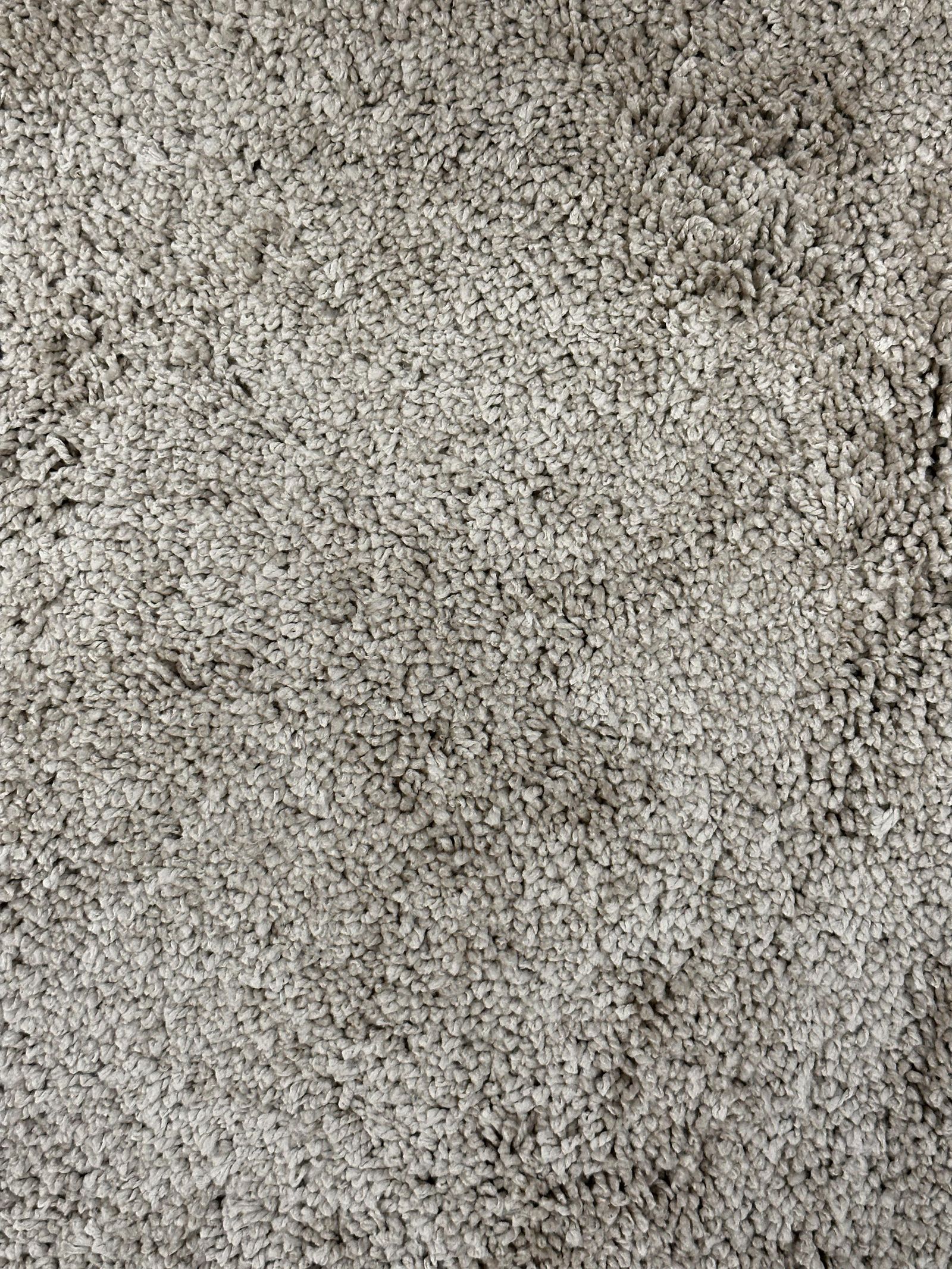
Carpet typically lasts 10 to 15 years in most homes. A quality polypropylene twist usually gives 8 to 12 years of family use, a wool-mix twist 10 to 15 (up to 20 in a bedroom) and premium woven wool 20 years or more with care. Budget carpet on busy stairs can look tired in 5 to 7 years.
Those are typical ranges from fitting and lifting floors in Peterborough homes, not guarantees. The same carpet can last twice as long in a spare bedroom as on the stairs, so each answer below, for carpet, underlay, laminate and LVT, comes with what wears that floor out.
Flooring Lifespans at a Glance
Every figure assumes a sound, dry subfloor and proper fitting. Where a floor fails early, the cause is usually underneath it.
| Floor type | Typical lifespan in a home | What shortens it | What extends it |
|---|---|---|---|
| Polypropylene twist carpet | 8 to 12 years; 5 to 7 for a budget grade in a busy room | Stairs and halls, thin underlay, grit left in the pile | A denser pile, firm underlay, regular vacuuming |
| Wool-mix twist carpet | 10 to 15 years; up to 20 in a bedroom | Heavy traffic on one walking line, damp | Dense underlay and a periodic professional clean |
| Premium wool and woven carpet | 20 years or more with care | Poor fitting, strong sunlight, neglected spills | Quality underlay and prompt stain treatment |
| Carpet underlay | PU foam 10 to 15 years; dense crumb rubber 20 or more | A thin, low-density grade on stairs; damp | Matching the density to the room |
| Laminate | 10 to 15 years in a dry room; up to 20 for a higher-rated board in a quiet room | Standing water, wet mopping, grit | AC4 in busy rooms, spills wiped up straight away |
| LVT (luxury vinyl tile) | 15 to 20 years; 20 or more for premium glue-down ranges | A thin wear layer, an uneven or damp subfloor | A 0.55 mm wear layer and proper subfloor preparation |
| Sheet vinyl | 8 to 15 years; 5 to 8 for a thin budget cushion floor | Sharp chair legs, dragged appliances, a rough subfloor | A thicker grade on a smooth subfloor |
| Engineered wood | 25 to 30 years when well maintained | Moisture, grit, pet claws | A thicker real-wood layer that can be re-sanded |
How Long Does Carpet Last?
In most homes, carpet lasts 10 to 15 years. Where yours falls depends on the fibre, the room and what is underneath.
By fibre. These are the three price tiers we fit, with supplied-and-fitted guide prices:
- Polypropylene twist (from £14/m², underlay and gripper included): typically 8 to 12 years in a family home. It shrugs off stains, but the fibre does not spring back as well as wool, so it flattens along the walking line first.
- Wool-mix twist or saxony (£25–£40/m²): typically 10 to 15 years in living rooms and 15 to 20 in bedrooms. An 80/20 wool-mix twist recovers from footfall far better than a cheaper pile.
- Premium wool and woven carpet (£40–£70+/m²): 20 years or more with care. Woven Axminster and Wilton from Ulster and luxury wool twists from Westex are the longest-lasting carpets we sell.
By room. Bedrooms are the gentlest rooms in the house, so the top of each range applies there. Stairs, landings and hallways are the hardest: a quality dense twist typically gives 8 to 12 years on a family staircase, and a budget carpet wears out there sooner than anywhere else. That is why we recommend a short, dense twist for stair carpet rather than a deep saxony.
A carpet has reached the end of its life when the pile stays flat after vacuuming, the backing shows through on the walking line, seams open up or ripples will not stretch out. Our carpets in Peterborough page shows the twist, saxony, loop and wool ranges we supply from Cormar, Victoria, Westex and Ulster.
How Long Does Underlay Last?
A quality PU foam underlay typically lasts about as long as the carpet fitted over it: 10 to 15 years in most homes. A dense crumb rubber underlay typically lasts 20 years or more, and a thin budget underlay can go flat within 2 to 3 years in a busy room.
Underlay is the shock absorber. Once it has compressed or crumbled, every footstep presses the pile straight on to the subfloor, so a new carpet laid on old underlay will not last as long as it should.
So the practical rule is simple: fit new underlay with every new carpet. Standard underlay is included in our carpet prices. Bought separately, quality PU foam is £4–£6/m² supplied and fitted, and dense crumb rubber and premium acoustic grades are £6–£8/m². For living rooms and bedrooms we usually recommend a 9–11 mm PU foam; stairs and hallways need a denser PU or crumb rubber that resists flattening. There is more on choosing a grade on our carpet underlay page.
How Long Does Laminate Last?
Laminate typically lasts 10 to 15 years in a dry room. A higher-rated board in a quiet room, such as a bedroom or study, can reach 20.
The figure to look for is the AC rating, which measures how well the surface resists abrasion. We recommend AC3 as a minimum for general rooms and AC4 for busy households and hallways. Entry to mid-range AC3–AC4 boards cost £18–£25/m² supplied and fitted, and premium and water-resistant ranges £25–£35/m², with underlay and fitting included.
What ends a laminate floor early is nearly always water. The surface is tough, but the core is high-density fibreboard, and standard boards swell at the joints if water sits on them. A swollen joint does not go back down, and laminate cannot be sanded or refinished. That is why we fit laminate flooring in Peterborough in living rooms, dining rooms, bedrooms and dry hallways, and steer bathrooms and utility rooms towards vinyl or LVT.
How Long Does LVT Last?
LVT typically lasts 15 to 20 years in a home, and premium glue-down ranges 20 years or more. It usually outlasts both laminate and sheet vinyl.
Two things decide it. The first is the wear layer, the clear coating over the printed design: 0.55 mm is the grade we recommend for kitchens and hallways, while a thin wear layer on a budget product can show wear within a few years in a busy kitchen. The second is the subfloor. LVT follows whatever is underneath, so an uneven or damp base shows as lifted edges and open joints long before the surface wears. Where levelling is needed it is quoted as its own line, typically £5–£15/m².
Mid-range click-lock and rigid-core LVT costs £35–£50/m² supplied and fitted, and premium glue-down Karndean and Amtico £50–£70+/m². It is fully waterproof, so it suits kitchens, hallways and bathrooms. See LVT flooring in Peterborough for the Karndean, Amtico, Moduleo and Quick-Step ranges we supply.
What About Sheet Vinyl and Engineered Wood?
A good-quality sheet vinyl typically gives 8 to 15 years, with a thin budget cushion floor showing wear within 5 to 8 years in a busy family kitchen. It costs less than LVT, from £15/m² supplied and fitted, but a damaged sheet generally means a new sheet for the whole room. Engineered wood lasts longest: well maintained, it can give 25 to 30 years, because the real-wood top layer can be sanded and refinished instead of replaced.
What Shortens the Life of a Floor in a Peterborough Home?
The age and layout of the house make a real difference. These are the patterns we see across the city:
- Victorian terraces near the centre. In New England, Millfield, Fletton and Woodston the stairs are narrow and steep, so every step lands on the same strip of carpet. Stair carpet in these houses wears out well before the bedroom carpet fitted on the same day.
- 1970s and 1980s family homes. In Werrington, Bretton, Paston and the Ortons, the carpet is often not the problem: the underlay beneath it has simply had decades of wear.
- New builds. In Hampton and Cardea, a concrete screed has to be dry and level before any hard floor goes down. LVT or laminate laid over a damp screed fails from underneath, however good the product.
Wherever you live, the front door matters. Grit carried in on shoes works like sandpaper on carpet pile and on the wear layer of a hard floor. Our Peterborough area guide covers the housing types neighbourhood by neighbourhood, across PE1 to PE7 and out to the Cambridgeshire towns around the city.
How Do You Make a Floor Last Longer?
Most of the difference between the bottom and the top of each range comes down to three habits, none of them expensive:
- Choose the floor for the room. A dense twist on the stairs, AC4 laminate in the hall and a 0.55 mm wear layer in the kitchen will outlast a softer, thinner product bought on price.
- Put the right underlay under it. It is the cheapest way to add years to a carpet.
- Stop grit at the door and clean little and often. Use a doormat, vacuum carpet at least weekly and consider a professional clean every 12 to 18 months. Damp-mop LVT, never soak laminate, and put felt pads under chair legs.
Should You Repair or Replace a Worn Floor?
Age alone is not a reason to replace a floor. A wool carpet that is 18 years old and still springs back has more life in it than a budget carpet that has gone flat at 6.
Repair is usually worth it when the fault is local: a ripple that can be re-stretched, an edge lifting at a doorway, one scratched LVT plank. Replacement makes sense when the wear is general: flat pile through the main walking routes, swollen laminate joints or collapsed underlay. Our flooring prices in Peterborough page lists every supplied-and-fitted rate, so you can weigh price against how long each floor should last.
Get a Straight Answer for Your Own Rooms
How long a floor will last in your house depends on your stairs, your subfloor and how the rooms are used, which is easier to judge in person than from a chart. We bring carpet, laminate and LVT samples to your home, measure up, check what is underneath the old floor, and tell you plainly whether it needs replacing yet. Every floor is fitted by our own team and backed by a 2-year workmanship guarantee. Call 01733 924009 to book a free home visit with samples, Monday to Friday, 9am–5pm. Your written quote follows within 24 hours.
Need a floor fitted?
Book a free home visit — we bring samples, measure up and send a written quote within 24 hours.
Book a free home measurementHow long does carpet last on stairs?
A quality dense twist typically lasts 8 to 12 years on a family staircase, and a budget carpet noticeably less. Stairs concentrate every footstep on the front edge of each tread, so choose a short, dense pile and a firm, dense underlay rather than a deep, soft one.
How often should carpet be replaced?
In most homes, every 10 to 15 years, but go by condition rather than the calendar. Replace it when the pile stays flat after vacuuming, the backing shows through, seams open or a smell returns after cleaning. Bedroom carpet often lasts years longer than hall and stair carpet.
Do I need new underlay with a new carpet?
Almost always, yes. Old underlay that has compressed or crumbled shortens the life of a new carpet and takes away much of its comfort. Standard underlay is included in our carpet prices, so there is rarely a reason to keep the old one.
Does LVT last longer than laminate?
Typically, yes. LVT usually lasts 15 to 20 years and premium glue-down ranges 20 years or more, against 10 to 15 years for laminate in a dry room. LVT is also fully waterproof, so it keeps going in kitchens and bathrooms where laminate would swell at the joints.
How long does carpet last in a rented home?
A well-specified polypropylene twist typically lasts 5 to 7 years in a standard tenancy, and less in a busy shared house. It is stain-resistant, quick to fit and easy to replace one room at a time, which is why it suits rented homes.
Who fits long-lasting carpet and flooring near me in Peterborough?
Cambridgeshire Carpets supplies and fits carpet, laminate, LVT and underlay across Peterborough and PE1 to PE7. Visit the showroom at 4 The Manor Grove Centre, Vicarage Farm Road, Peterborough PE1 5UH, or call 01733 924009 for a free home visit with samples, Monday to Friday, 9am–5pm.

Don't just take our word for it.
Your new floor starts with a conversation.
Tell us what you're planning, choose a convenient time and we'll bring the flooring to you.