

What Is Engineered Wood Flooring? Construction, Grades and Where It Works in Peterborough Homes
A plain guide to engineered wood flooring: how boards are made, grades, lacquered vs oiled, fitting methods, and where it works in a Peterborough home.
Key takeaways
The short version, checked by our fitting team.
Engineered wood flooring is a real hardwood top layer bonded to a stable plywood or multi-layer core.
Whether it can be sanded depends on the thickness of the hardwood top layer.
Grades such as prime, select and rustic describe appearance, not strength.
Engineered wood is generally suitable for underfloor heating but should not go in bathrooms.
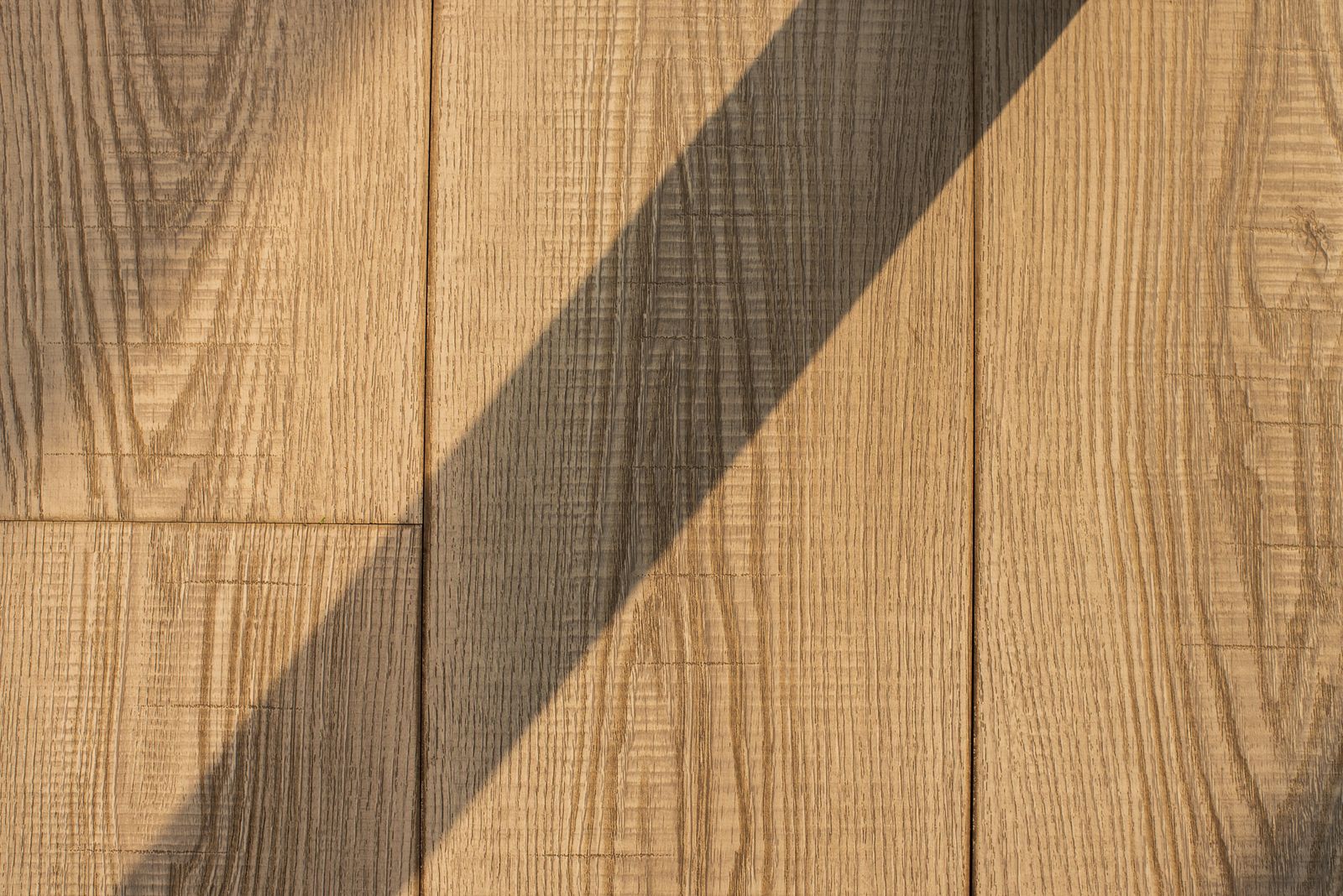
Engineered wood flooring is a real hardwood floor made in layers: a top layer of solid timber, usually oak, bonded to a stable plywood or multi-layer core. You see and feel genuine wood, but the board moves less than solid timber. In Peterborough we supply and fit it from £40/m², with mid-range oak at £40–£60/m².
This guide explains how engineered boards are built, what the grades and finishes mean, how they are fitted, and which rooms in a Peterborough home suit them. If you already know you want it, our engineered wood flooring in Peterborough page shows the range we fit.
How is engineered wood flooring made?
Every engineered board has two parts.
- The top layer (lamella or wear layer). A slice of real hardwood, most often oak, sometimes walnut or other species. This is the surface you walk on, and it carries the grain, knots and colour of the timber.
- The core. Layers of plywood or a multi-layer construction, glued with the grain running in different directions. That cross-layering is what makes the board stable. It resists the swelling and shrinking that solid timber goes through as the seasons change.
The result is a floor that looks like solid wood once it is down, because the surface is solid wood. The difference is underneath.
Can engineered wood be sanded and refinished?
Usually, yes, depending on the thickness of the top layer. A thicker hardwood layer can be sanded and refinished, sometimes more than once over the life of the floor. A thin top layer may allow only a light refresh, or none at all. Specifications vary by manufacturer and range, so we show you the top-layer thickness on the samples we bring to your free home visit and explain what it means for that board.
For most family homes, a good lacquered or oiled finish and simple care keep the floor looking right for years before sanding is even a question.
What do prime, select and rustic grades mean?
Grade describes how the timber looks, not how strong it is. All grades are real wood.
- Prime. Clean, even boards with few or very small knots. A calm, contemporary look.
- Select. A balance of clean boards and some natural character, with small knots and colour variation.
- Rustic (character grades). Larger knots, splits that have been filled, and strong colour variation. Popular in cottages, period homes and anywhere you want the floor to look lived-in from day one.
Grade names are not identical between manufacturers, so the samples matter more than the label.
Lacquered or oiled: which finish should I choose?
| Finish | Look and feel | Day-to-day care | Best for |
|---|---|---|---|
| Lacquered | Sealed surface, from matt to satin sheen | Easy to wipe; scratches sit in the lacquer | Busy family homes, hallways, open-plan rooms |
| Oiled | Natural, matt, close to raw timber | Needs periodic re-oiling; small marks can be spot-repaired | Living rooms, period homes, people who like a natural finish |
Matt lacquers are now very popular because they give an oiled look with lower maintenance.
How is engineered wood fitted: click, glue-down or floating?
- Click (floating). Boards lock together edge to edge and sit on an underlay, not fixed to the subfloor. Quick to fit and suits most sound, level floors.
- Tongue-and-groove floating. Boards are glued to each other along the joints and float on underlay.
- Glue-down. Boards are fully bonded to a prepared subfloor. It feels solid underfoot, sounds less hollow, and is our usual choice for herringbone and often for underfloor heating.
Which method is right depends on your subfloor, room size and the board. Subfloor levelling, where needed, is £5–£15/m². Anything else the floor needs, such as a damp-proof membrane or plywood, is itemised in the written quote.
Can you put engineered wood on underfloor heating?
In general, yes. Engineered wood is usually a better match for underfloor heating than solid timber, because the layered core is more stable as the floor warms and cools. The manufacturer's guidance on maximum surface temperature and fitting method must be followed, and the system should be commissioned and run in properly before the floor goes down. Our underfloor heating flooring guide compares engineered wood with LVT, laminate and carpet.
How does engineered wood compare with solid wood, laminate and LVT?
| Engineered wood | Solid wood | Laminate | LVT | |
|---|---|---|---|---|
| Surface | Real hardwood top layer | Solid hardwood throughout | Printed image under a wear layer | Printed image under a vinyl wear layer |
| Stability | Good; layered core resists movement | Moves more with heat and humidity | Stable | Very stable |
| Refinishing | Possible, depending on top-layer thickness | Can be sanded several times | No | No |
| Water | Wipe spills promptly; not for bathrooms | Not for wet rooms | Standard ranges dislike water; premium water-resistant ranges available | Water-resistant; suits kitchens and bathrooms |
| Underfloor heating | Generally suitable | Less suitable | Check the range | Generally suitable |
| Supply and fit price | £40–£90+/m² | Quoted at the free home visit | £18–£35/m² | £35–£70+/m² |
If you are still deciding, read our engineered wood vs LVT comparison. See our laminate flooring in Peterborough and LVT flooring in Peterborough pages for those ranges.
How much does engineered wood flooring cost in Peterborough?
All our prices are supply and fit.
- From £40/m² for engineered wood.
- Mid-range oak: £40–£60/m².
- Premium wide-plank, walnut and herringbone: £60–£90+/m².
- Hallway and living room of 25–35 m²: typically £1,200–£3,000.
As a worked example, a 20 m² living room at the entry rate of £40/m² is 20 m² × £40 = £800 before any preparation the floor needs. A premium wide-plank or herringbone board in the same room costs more, in line with the £60–£90+/m² band. Our full price bands are on the flooring prices in Peterborough page.
How do I look after an engineered wood floor?
Care is simple. Sweep or vacuum with a hard-floor head to remove grit, which is what scratches wood most. Clean with a lightly damp mop and a cleaner made for the finish you have, never a soaking wet mop. Put felt pads on chair and table legs, and use a good mat at external doors. Oiled floors need re-oiling from time to time; lacquered floors just need regular cleaning.
Where does engineered wood work in a Peterborough home, and where doesn't it?
Where it works well:
- Living rooms and dining rooms, where it adds warmth and real character.
- Hallways, with a lacquered finish and a good entrance mat.
- Bedrooms, if you prefer a hard floor with rugs.
- Period homes such as PE1 Victorian terraces, where real timber suits the house. See our Victorian terraces flooring guide.
- Newer homes in Hampton and Cardea on screeded floors, once the screed is fully dry.
Where we advise against it:
- Bathrooms, en-suites and wet rooms. Standing water and steam damage timber. LVT or sheet vinyl is the right choice there.
- Utility rooms with washing machines, where leaks are a real risk.
- Damp solid floors that have not been tested and treated. On older concrete slabs, such as those in Orton and Bretton homes, we test moisture before recommending wood.
Kitchens are a judgement call. Engineered wood can work in a kitchen if spills are wiped up promptly, but many families choose LVT for the kitchen and engineered wood for the living spaces.
How do I see engineered wood samples in Peterborough?
Book a free home visit and we will bring engineered wood samples to your home, check and measure your floors, and send a written quote within 24 hours. You can also visit our showroom at 4 The Manor Grove Centre, Vicarage Farm Road, Peterborough PE1 5UH. Call 01733 924009, Monday to Friday 9am–5pm. We cover all of Peterborough; see our Peterborough area page.
Need a floor fitted?
Book a free home visit — we bring samples, measure up and send a written quote within 24 hours.
Book a free home measurementWhat is engineered wood flooring in simple terms?
It is a real wood floor built in layers: a top layer of solid hardwood, usually oak, bonded to a plywood or multi-layer core. It looks like solid wood but is more stable.
Is engineered wood real wood?
Yes. The surface you walk on is a layer of real hardwood. Only the core underneath is different from a solid wood board, and that core is usually made from wood layers too.
Can engineered wood go in a bathroom?
We do not recommend it. Standing water and steam can damage timber. For bathrooms we suggest LVT or sheet vinyl, which handle water far better.
How much is engineered wood flooring per square metre?
We supply and fit engineered wood from £40/m². Mid-range oak is £40–£60/m², and premium wide-plank, walnut and herringbone are £60–£90+/m².
Where can I buy engineered wood flooring near me in Peterborough?
Our showroom is at 4 The Manor Grove Centre, Vicarage Farm Road, Peterborough PE1 5UH. We also bring samples to your home at a free home visit, Monday to Friday 9am–5pm.
Can engineered wood be used with underfloor heating?
Generally, yes. Its layered core makes it more stable than solid wood as temperatures change. We follow the manufacturer's guidance on fitting method and surface temperature for each board.
Related guides
Related Reading from Our Peterborough Flooring Team
- Engineered Wood vs LVT in Peterborough: Which Floor Is Right for Your Home?
- Best Flooring for Underfloor Heating: A Peterborough Fitter's Guide
- The Best Flooring for Victorian Terraces in PE1 and PE2
- Instagram vs Reality: Herringbone Floors After 12 Months
- LVT vs Laminate Flooring: Which Is Right for Your Peterborough Home?

Don't just take our word for it.
Your new floor starts with a conversation.
Tell us what you're planning, choose a convenient time and we'll bring the flooring to you.